Your PC has a secret processor that runs even when it's off — and it's more powerful than you think
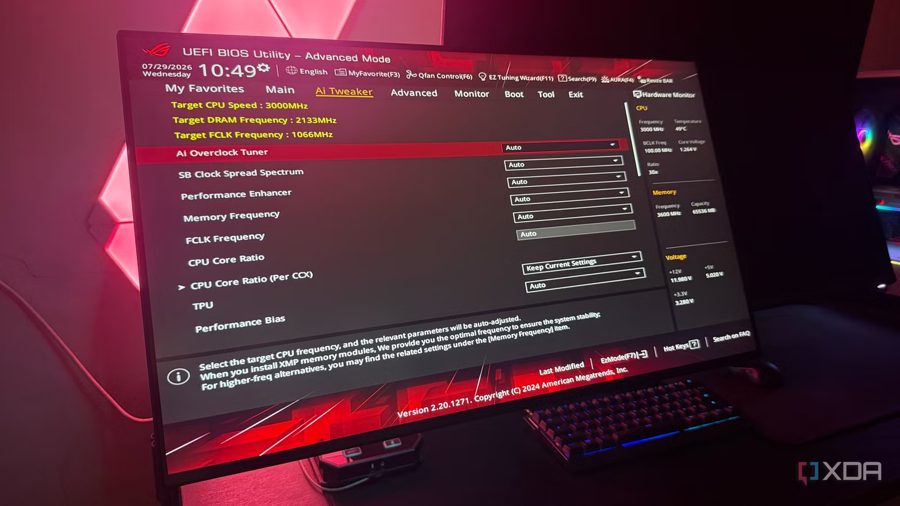
Your computer executes a massive amount of code before your main operating system even begins to load. The very first thing that fires up when you press the power button is a hidden security processor with frighteningly deep access to your machine. And it stays active even after you've turned your PC off, as long as the power supply unit remains connected to the wall outlet.
Since 2008, Intel systems have included an autonomous subsystem called the Intel Management Engine (ME), integrated into the motherboard chipset. On the AMD side, the Platform Security Processor (PSP) has been part of the CPU die itself since 2013. Both of these security processors run their own operating systems with direct access to system memory and, in the case of Intel ME, even the network adapter.
As long as your PC receives a trickle of power from the wall, these subsystems can continue to operate in a low-power state. They are powered by small microcontrollers built on Arm, Quark, or ARC cores. The level of system privilege they enjoy is the most surprising aspect: they sit above the main OS and the hypervisor (if enabled), giving them unrestricted access to virtually every component of your computer.
These hidden processors execute core security and boot functions, but their closed-source code and history of security vulnerabilities have drawn significant criticism. Users cannot fully disable these subsystems, which raises concerns about privacy and control over their own hardware. The Intel ME, for instance, has been found to have vulnerabilities that could allow remote attackers to gain full control of a system, while AMD's PSP has also faced scrutiny for similar issues. Despite these risks, both companies argue that these processors are essential for modern security features like Secure Boot, remote management, and encryption.