Smartphones hit a tech plateau: why new models no longer impress
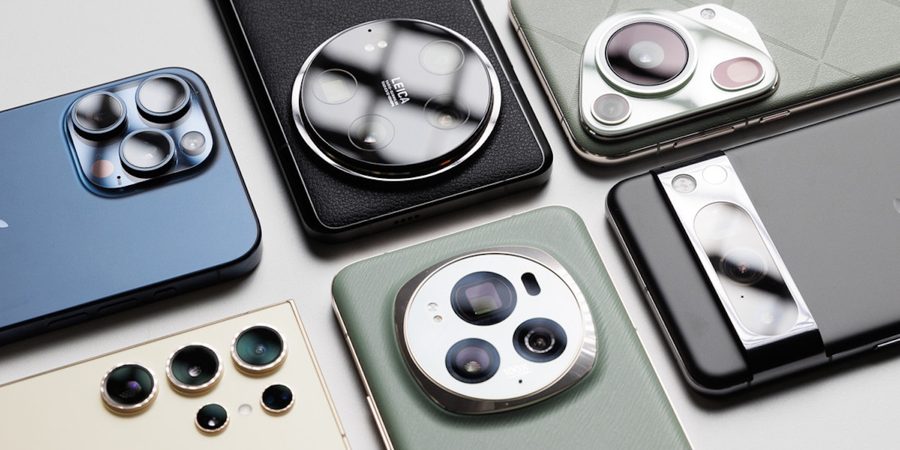
New mobile devices have stopped generating the same excitement as before: instead of admiration at the next flagship launch, users are asking what has actually changed. According to observers, the smart device industry has for the first time in a long while reached a point where it is hard to make serious complaints about the hardware — yet it can hardly surprise anyone either.
The main reason for this "boredom" with gadgets is a technological plateau. Development continues, but it is evolutionary in nature: improvements are minimal and do not lead to radical transformations. This applies to everyday devices — smartphones, tablets, laptops, watches, earbuds, fitness trackers, and TVs.
Modern mid-range devices priced at 1,500 rubles (likely Belarusian rubles) already offer capabilities that only specialized equipment could provide ten to fifteen years ago. A typical budget-friendly smartphone takes better photos than a digital point-and-shoot camera from the early-to-mid 2010s, lasts at least a full working day on a single charge (6–8 hours of active screen time), features a bright display, supports fast internet and contactless payments, works as a navigation device, and runs 99% of everyday apps without stuttering.
For most users, this set of features, given the quality of execution, is more than sufficient. There is certainly room for improvement — low-light photography and video quality could be refined — but these changes are unlikely to represent a noticeable breakthrough for the average person.
Analysts divide the causes of this "technological dead end" into objective ones — related to the market and the hardware itself — and subjective ones, which depend on consumer perception. Perhaps the real reason for the lack of impression lies in habituation: technology has become so deeply integrated into daily life that its capabilities are taken for granted.