I ditched my paid TeamViewer plan for a self-hosted remote access tool
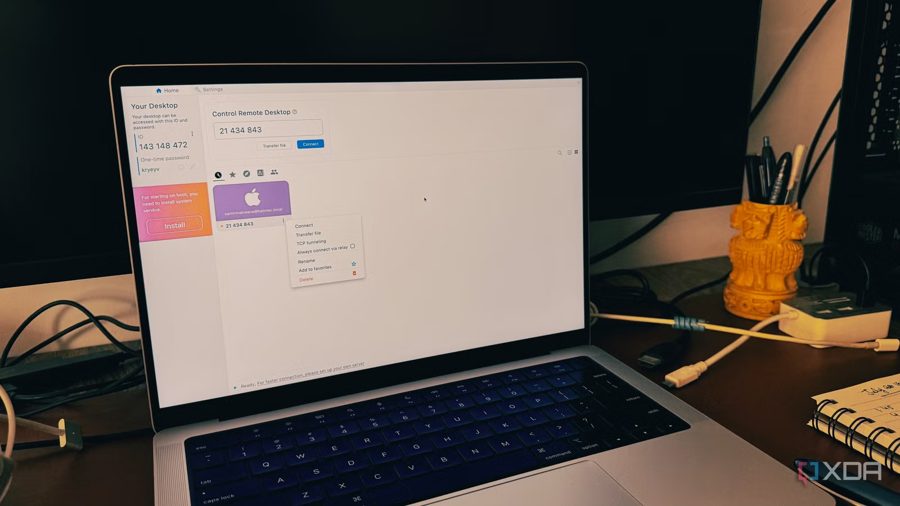
Managing a mini PC becomes much easier when you can reach it from anywhere. Whether you're at home or in another room, remote access saves you from hooking up a monitor and keyboard every time you need to get something done. For a long time, the author relied on a paid application because it was straightforward and dependable. But as the home lab expanded, a question started to nag: did he really need another subscription for something this basic? After testing a self-hosted alternative, it turned out the same remote access experience was possible while keeping more control over his own setup.
TeamViewer had been the backbone of his remote access workflow. Whenever he needed to check on the home server, install updates, restart a Docker container, or move a file around, he would simply open TeamViewer and connect. It was easy to use, worked reliably, and never gave him a reason to look elsewhere.
Over time, however, the way he used the mini PC shifted. It became the hub of his self-hosted environment, and he was only ever connecting to his own devices. He wasn't supporting clients or managing dozens of machines. Most of the advanced features bundled into a paid TeamViewer plan simply weren't relevant to his setup.
That's when he started questioning whether the recurring payment was justified. He wasn't hunting for a feature-rich replacement or a brand-new way of working. All he wanted was a remote access tool that could handle the same everyday chores without another monthly fee. Since he was already self-hosting several services, moving remote access to the same model felt like the natural next step. The switch turned out to be smoother than expected, and the self-hosted tool handled the routine tasks — updates, container restarts, file transfers — without missing a beat. The subscription was gone, and the setup stayed fully under his control.