PC upgrade era ends: soldered RAM and AI push users toward sealed, non-serviceable machines
Computers that could be upgraded for years are becoming a thing of the past. Manufacturers are increasingly soldering RAM and integrating key components, leaving users unable to swap parts as newer models arrive. The trend, which started with laptops, has now reached desktop systems.
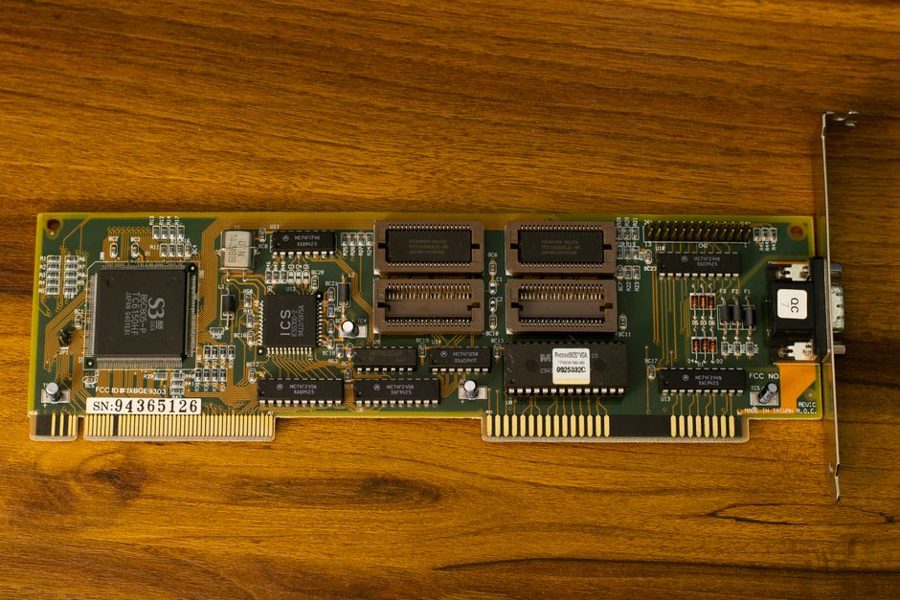
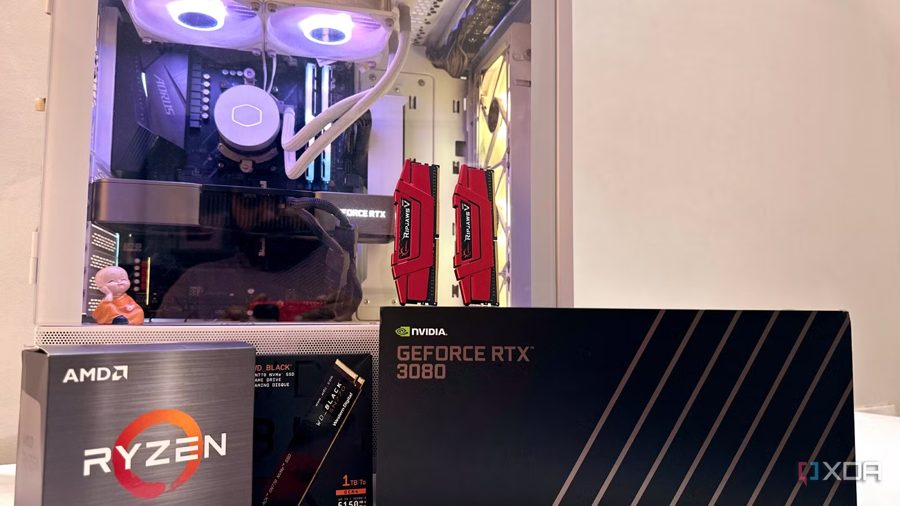
For decades, buying a PC was seen as the start of a long-term project. An owner could stretch a budget for the best processor, temporarily skimp on RAM modules, and then double the capacity after the next paycheck. That would be followed by new graphics cards, storage drives, and other improvements that kept a system alive for years. This freedom was not limited to enthusiasts: ordinary users swapped hard drives for SSDs, added memory to laptops, and upgraded Wi-Fi cards, delaying the need for an expensive replacement.
Modern computers are abandoning that philosophy. The configuration chosen at purchase now remains unchanged until the entire machine is replaced. Without noticing, users have traded hardware that evolved with them for devices that arrive "finished" and cannot be modified.
Physics is the main driver behind the shift. Growing artificial intelligence workloads demand increasingly fast memory, so OEMs have begun soldering chips directly to the motherboard. This enables thinner chassis, lower power draw, and reduced latency. But the price of these benefits is the inability to replace modules.
Desktop systems are following the same path. The use of LPDDR memory, which is typically soldered, along with AI-related demands, is gradually pushing traditional DIMM slots out of even tower cases. Additional pressure comes from cloud gaming services and sealed designs that turn PCs into appliances with no room for internal intervention.
The era when a single system unit could survive three graphics cards, two processors, and a motherboard swap is effectively over. Manufacturers are choosing thinner, faster, and more power-efficient solutions at the expense of upgradeability. Users accustomed to building and improving their machines must accept a new reality: future PCs will ship with fixed internals, and the only way to gain more performance will be to buy an entirely new device.