FDA clears first robotic blood-draw device — one phlebotomist can now run three machines
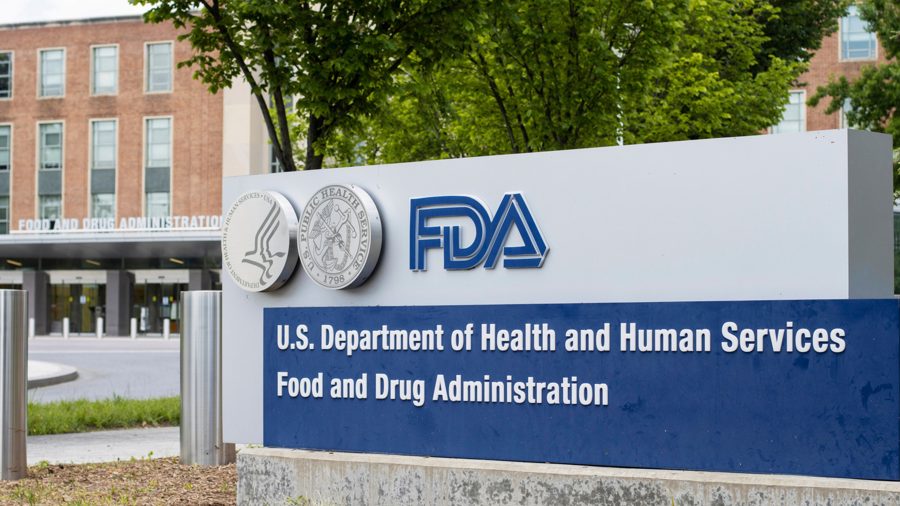
The U.S. Food and Drug Administration has granted approval to the first autonomous robotic device designed for blood draws in outpatient settings. The system, named Aletta, is a standalone robot that can perform venipuncture without direct human handling of the needle.
The device uses near-infrared light and Doppler ultrasound to locate a suitable vein in the patient's arm. Once the vein is identified, Aletta automates every step of the procedure: applying a tourniquet, inserting and disposing of the needle, and placing a bandage. However, a trained phlebotomist must initiate the process and supervise the robot while it operates. One person can monitor up to three Aletta units simultaneously, potentially increasing clinic efficiency.
Michelle Tarver, director of the FDA's Center for Devices and Radiological Health, stated that blood draws are among the most common medical procedures in the United States, yet patients often face delays due to a growing shortage of trained phlebotomists. The approval was based on clinical data demonstrating that Aletta achieves successful blood draws at rates comparable to or better than those performed by human phlebotomists.
The FDA clearance marks a regulatory milestone, but the manufacturer has not announced a timeline for when the robots will actually appear in clinics or doctors' offices. The device is expected to address staffing shortages while maintaining safety and accuracy standards.