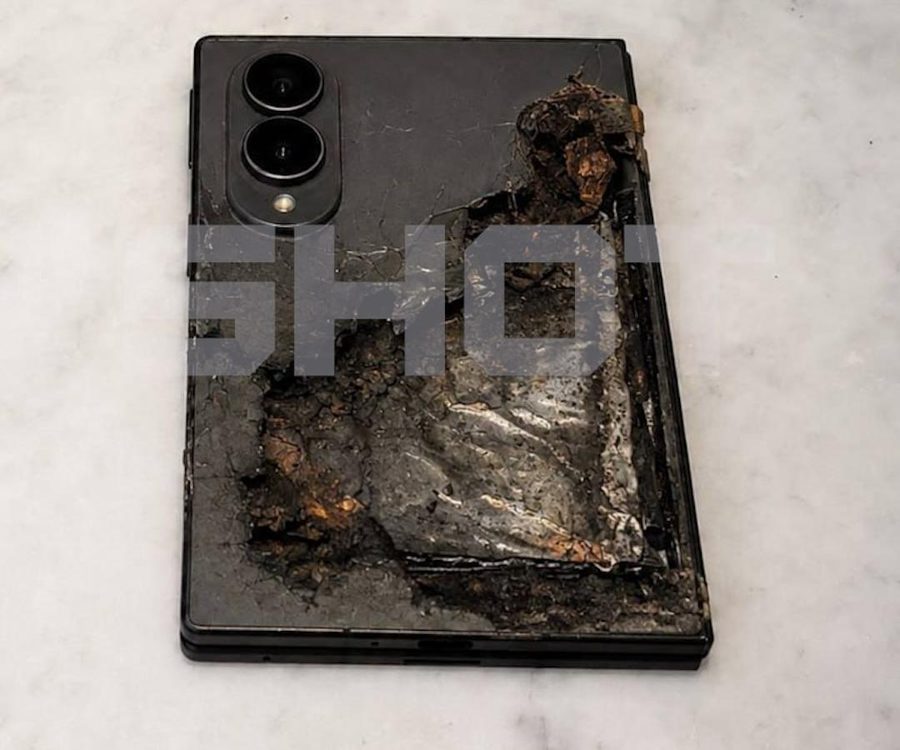
Charging your phone to 100% ruins the battery — here’s how to stop it
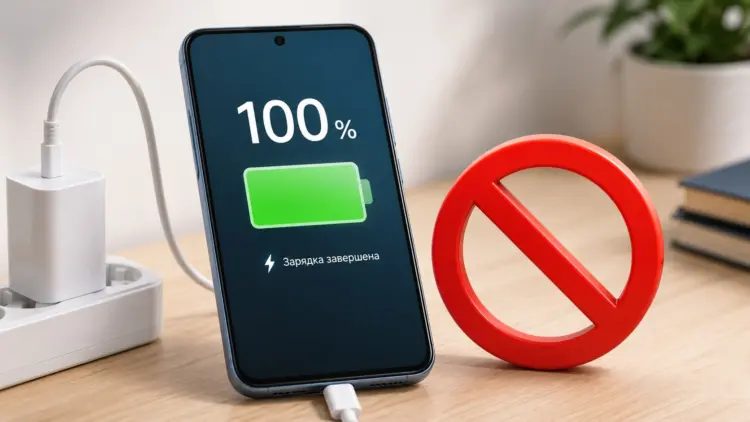
Most smartphone users habitually charge their devices to 100%, but this practice actually accelerates battery wear the most. Manufacturers recommend keeping the charge between 20% and 80%, because a full charge causes significantly faster degradation.
Inside a lithium-ion battery, lithium ions move from the cathode to the graphite anode during charging — a process called intercalation. At 100% charge, the ions fill every available layer of the graphite lattice, causing it to expand by about 10%. In a sealed, pressurized cell, this creates mechanical stress. With each full charge-discharge cycle, the anode gradually loses structural integrity: layers delaminate, microcracks accumulate, and some graphite stops participating in the reaction. The result is a steady drop in real capacity.
Simultaneously, a chemical process takes place. A thin protective film called the SEI layer forms on the anode surface, shielding it from direct electrolyte damage. However, high voltage and heat accelerate the growth of this film — and that also reduces the battery's usable capacity over time.
Many modern smartphones include built-in features to limit charging. For instance, the iPhone has an "Optimized Battery Charging" option that stops charging at 80% and only finishes right before the user typically unplugs the device. Android phones, including Samsung Galaxy models, offer similar settings that can be enabled in the battery management menu. By activating these features, users can significantly extend their battery's lifespan without changing their daily routine.