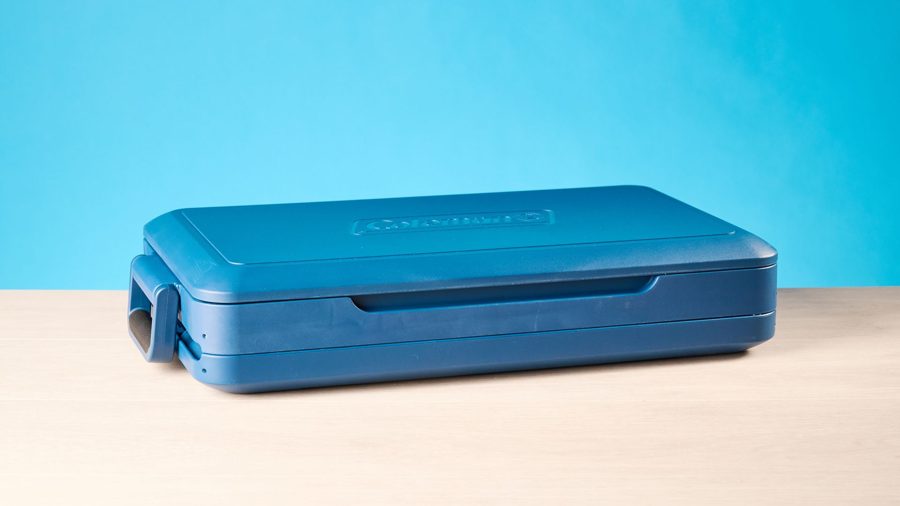
ZimaBlade beats Raspberry Pi 5 as a NAS: old Intel Atom board proves more practical for home servers
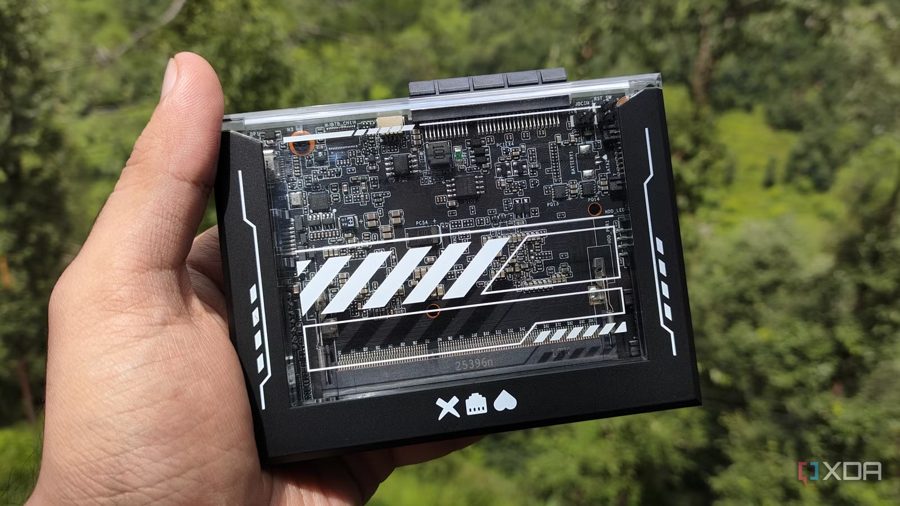
Building a Network-Attached Storage (NAS) server is a popular intermediate-level project for Raspberry Pi enthusiasts. A backup rig that consumes minimal power and stays compact enough to carry anywhere sounds appealing on paper. However, the Raspberry Pi's ARM CPU, inflated prices, limited performance, and I/O constraints often diminish its utility in real-world NAS scenarios.
With x86 single-board computers gaining traction, one tech writer decided to try building a reliable NAS server using a pint-sized device. During the ongoing RAM shortage, finding a board that costs under $300 seemed nearly impossible until he stumbled upon the ZimaBlade from IceWhale. Specs-wise, the ZimaBlade is nothing special—the Raspberry Pi 5 even outperforms it in raw processing power. But after nearly two weeks of experimentation, the author admits that this cheap yet outdated SBC is actually better than the latest Raspberry Pi board for NAS and home server projects.
The ZimaBlade model tested features an Intel Atom x7-E3950, a 4-core processor that originally debuted in 2016. While the Raspberry Pi 5 boasts a more modern ARM Cortex-A76 CPU, the ZimaBlade's x86 architecture provides native support for server operating systems like TrueNAS, eliminating the need for workarounds or compatibility layers. This makes software installation and configuration significantly simpler for users accustomed to desktop PCs.
For NAS applications, the ZimaBlade offers several practical advantages. It includes a built-in SATA III port, allowing direct connection of standard hard drives without additional HAT boards or USB-to-SATA adapters. The board supports up to 32 GB of DDR4 RAM, which is crucial for file caching and running multiple services. In contrast, the Raspberry Pi 5 relies on USB 3.0 for storage connectivity, which can become a bottleneck for simultaneous read/write operations and adds latency.
Power consumption is comparable: the ZimaBlade draws around 15 watts under load, similar to the Raspberry Pi 5 with accessories. However, the ZimaBlade's stability with disk arrays and ease of setup make it a more compelling choice for entry-level home servers. The author notes that for tasks requiring high computational power—like video transcoding or machine learning—the Raspberry Pi 5 remains the better option. But for a dedicated NAS, the ZimaBlade's x86 compatibility and native SATA support outweigh its older processor.