Yandex brings shopping to smart TVs: QR-code purchases now, direct buying later
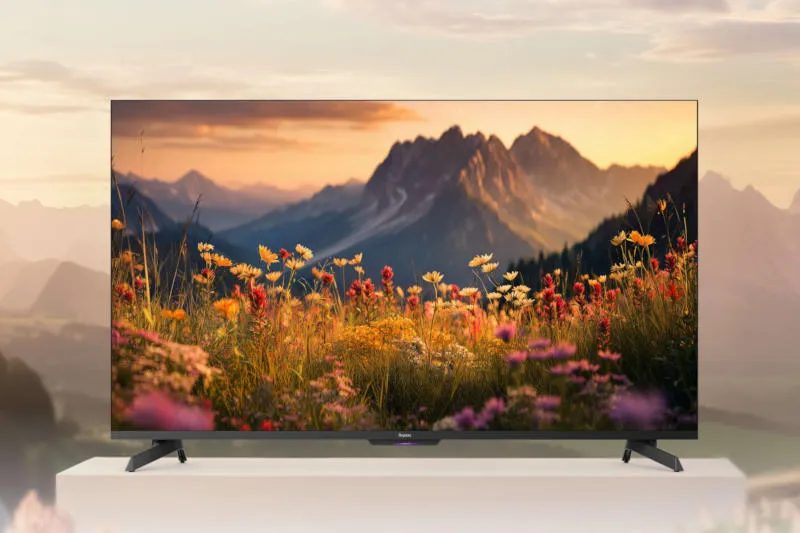
Yandex has started testing the ability to purchase goods directly on its smart TVs, the company told Kommersant. In the initial phase, viewers can scan a QR code displayed in a TV advertisement using their smartphone, which takes them to the advertiser's landing page where they can learn more about the product and complete the purchase. However, Yandex plans to eventually move the entire shopping process to the TV screen, eliminating the need for a smartphone altogether.
The new feature is already available within Yandex Direct, the company's advertising platform. Advertisers can now add product and service cards to video ads for smart TVs, with each card linked to a QR code that redirects viewers to the advertiser's website. According to expert estimates cited by Kommersant, the cost of a thousand impressions for such ads could range from 250 to 400 rubles (approximately $2.70 to $4.30). While experts see this as a promising development, they note that the format will cost advertisers 10–15% more than traditional advertising methods.
This type of advertising format for smart TVs has not existed on the Russian market before. Sber, Yandex's main competitor in the smart TV segment, does not offer similar features either. However, some players, including Kupér, a service owned by Sber, have already experimented with displaying products with QR codes on smart TVs to facilitate purchases via smartphones.
Sber itself expressed skepticism about the current approach. A representative from the company told Kommersant that the QR-code mechanism is cumbersome: a potential buyer must quickly aim their camera, scan the code, and then proceed with the purchase process. A direct shopping mechanism, without intermediate steps like QR codes, would be far more appealing, the representative argued. Experts interviewed by Kommersant echoed this sentiment, warning that if the purchase process requires too many steps, the initiative may fail to gain traction. They emphasized that the key to success will be a seamless, low-friction experience that keeps viewers engaged without interrupting their TV-watching routine.