Why new motherboards still include the 20-year-old PS/2 port and who needs it
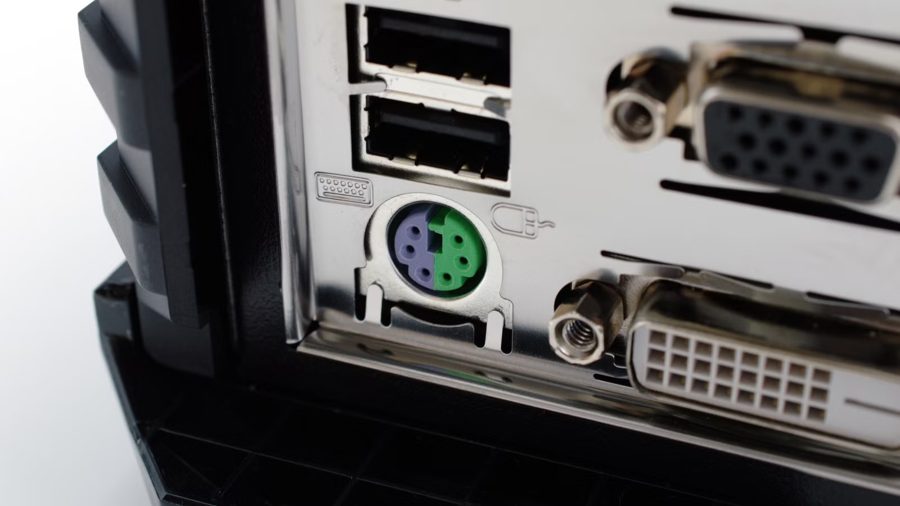
Modern motherboards, including models based on the B850 and B860 chipsets as well as flagship offerings, still ship with the PS/2 connector. IBM created this interface in 1987 for its Personal System/2 computers, which explains the name. Although USB fully replaced it by the mid-2000s, manufacturers are in no hurry to abandon the legacy port.
The reason PS/2 persists lies in its fundamentally different way of communicating with the system. Unlike USB, which polls devices several times per second, PS/2 relies on interrupt-driven input to send data to the processor. This results in minimal input lag and works without drivers, which is especially valuable for overclockers striving to save every CPU cycle.
Historically, PS/2 simplified peripheral connectivity by replacing older 5-pin keyboard and 9-pin mouse connectors. However, it lacked the advantages of modern USB: a universal design, integrated power delivery, a flat connector, and hot-swap support. Users had to carefully insert the plug with thin pins to avoid bending them, and the purple and green color coding was essential for correct pairing.
Many current boards feature dual or hybrid PS/2 ports. Although most users never need them, the connector remains indispensable in certain scenarios. For overclocking and niche tasks where every millisecond of input matters or driver-free operation is critical, PS/2 is still relevant. The gradual disappearance of VGA, DVI, FireWire, and parallel ports shows a clear trend, but PS/2 has outlasted them all — apparently thanks to its unique technical properties.