Why 90% of videographers ruin their audio — and how a shotgun mic fixes it in 2026
It's a common mistake among both beginner vloggers and seasoned camera operators: they spend thousands on lenses, lights, and cameras, only to end up with muddy, echoey audio where the speaker's voice drowns in traffic noise and wind. The problem isn't the gear — it's the microphone.
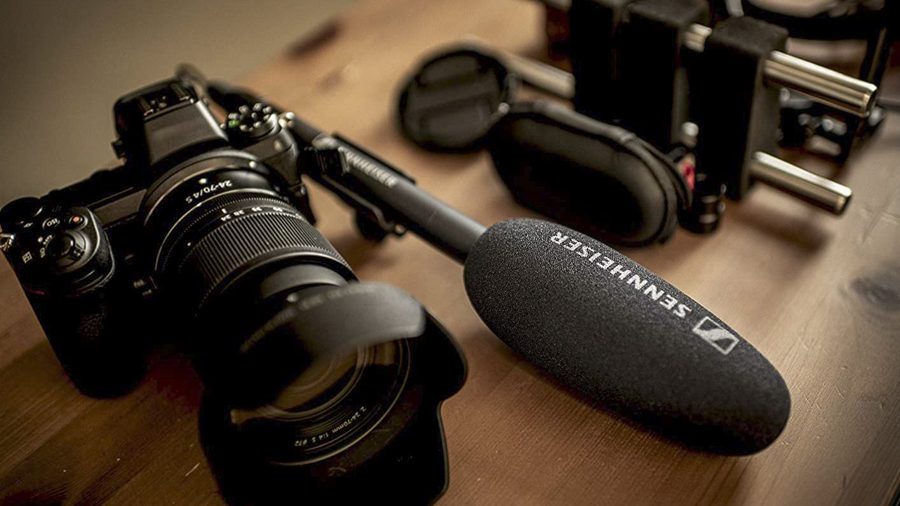
A quality shotgun microphone solves this by capturing sound from a narrow, focused direction while rejecting everything from the sides and rear. Mounted directly on the camera's hot shoe, these mics are the industry standard in film and TV production for a reason: they're simple, effective, and deliver clean dialogue without the need for multiple lavalier setups.
At first glance, all shotgun mics look the same — a long metal cylinder with slots along the sides and a cable at the end. But the real magic is inside. The capsule design, interference tube construction, and electronics determine how well the mic isolates the subject and suppresses background noise.
In 2026, several models stand out for their performance. When choosing a shotgun mic, pay attention to the polar pattern (supercardioid or lobar is best), sensitivity, and self-noise level. The best units can capture crystal-clear speech even in noisy environments, making them essential for interviews, documentaries, and on-location shoots.
For anyone serious about video production, a good shotgun mic is not a luxury — it's a necessity. It saves hours of post-production cleanup and ensures your audience hears exactly what you want them to hear: the voice, not the room.