US congressman proposes “Data Center Bill of Rights” to let communities block projects
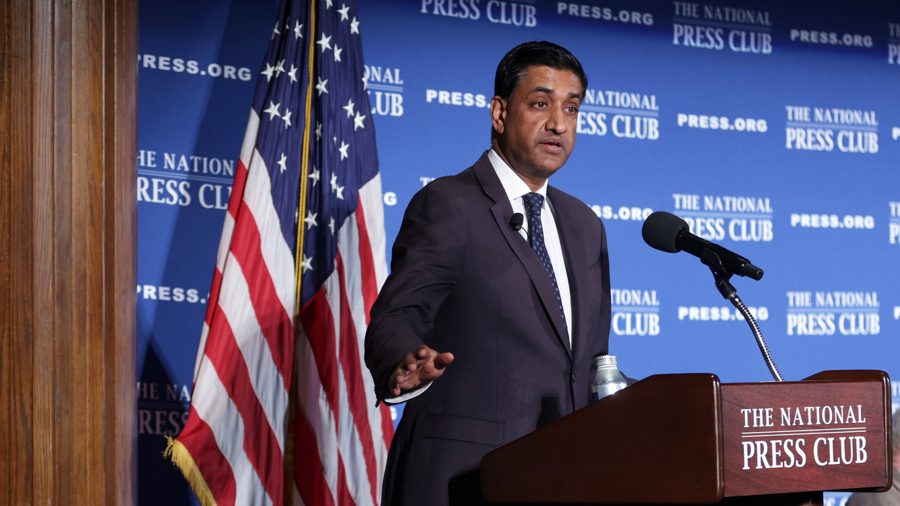
California Representative Ro Khanna has introduced a resolution in the House of Representatives that would protect the ability of local communities to reject data center projects near their homes. The measure, pitched as a "Data Center Bill of Rights," follows several state-level attempts to block or pause data center development, including a one-year moratorium in New York.
The resolution aims to shield residents' power to regulate data center growth "without being preempted or overruled by the State," according to the text. Communities would be able to reject any project through a "transparent community process" and could ban data centers in residential areas or within 2,500 feet of homes, schools, childcare facilities, hospitals, or nursing homes. The measure also lets communities demand transparency from data center operators, block changes to electricity rates, and require clean energy usage.
The resolution is more of an outline for future legislation than an enforceable law, but it highlights key concerns driving the push for regulation. These include harmful pollution from generators and turbines powering data centers, as well as up to 32 billion gallons of water that AI data centers could consume annually by 2028.
Environmental and financial impacts of rapid data center buildout have fueled protests and regulatory efforts nationwide. The federal government, however, has largely moved in the opposite direction, exempting data centers from existing environmental laws and trying to prevent states from imposing their own rules. Without a nationwide moratorium, a bill of rights could serve as a way to preserve people's ability to oppose new facilities.
Khanna's proposal stands in contrast to housing laws in his home state of California, which have sought to curb "NIMBY" objections to high-density development.