FCC kills TV ownership cap, replacing it with case-by-case merger reviews
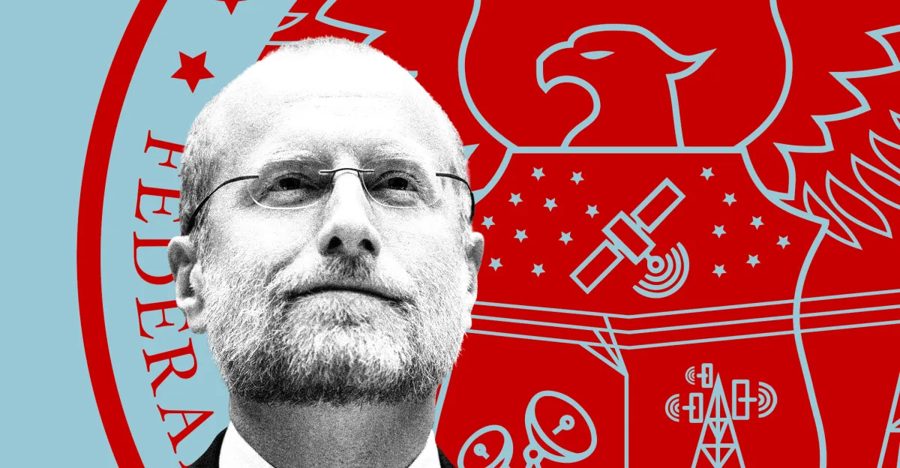
The Federal Communications Commission has voted to scrap the national broadcast ownership limit, ending a rule that barred any single owner from reaching more than 39 percent of U.S. TV households. Instead of a fixed threshold, the agency will now review each transaction individually.
The vote split along party lines: Republican Chair Brendan Carr and Commissioner Olivia Trusty supported the repeal, while Democrat Anna Gomez dissented. Carr has long argued the cap is an artificial constraint that prevents broadcasters from competing with social media platforms and streaming services, which can reach "100 percent of the country" without holding broadcast licenses. He first signaled the plan to put the issue to a vote at Thursday's open meeting about a month ago.
Under the new approach, the FCC will determine whether a proposed consolidation serves the public interest on a "granular, case-by-case" basis. According to the agency, this removes the need to "show special circumstances that would justify a waiver of a rule that no longer serves the public interest."
Opponents, including Gomez, warn that lifting the cap will let broadcast owners acquire stations with little regard for local reporting, discouraging coverage of community issues on public airwaves and driving up costs for consumers. They also argue that only Congress has the authority to change the ownership limit, since the 39 percent figure was written into a 2004 law, leaving the FCC's decision open to legal challenges.
Notably, the FCC under Carr had already found ways around the cap before formally eliminating it. The agency approved the $6.2 billion merger of broadcasters Nexstar and Tegna despite the existing limit, and a federal judge has since paused that deal pending a lawsuit from a coalition of state attorneys general.
The move comes amid tensions between the Trump administration and broadcasters. The FCC previously demanded early renewal of ABC's broadcast licenses shortly after Trump criticized the network over a joke by late-night host Jimmy Kimmel about his wife. The agency said the decision was tied to an investigation into the company's diversity, equity, and inclusion (DEI) policies.