Swapping to a Steel Nozzle Changed My Prints More Than Any Filament Upgrade
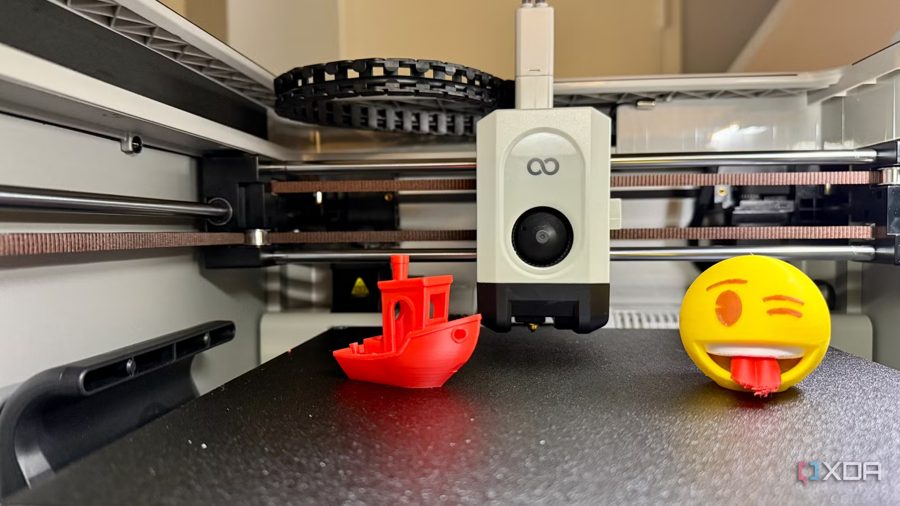
Switching from a brass nozzle to a hardened steel one altered the behavior of a 3D printer more than any experiments with printing materials. The author, who had long considered filament the main factor in print quality, discovered that the nozzle has a far greater impact on the result, and the cost of such an upgrade turned out to be minimal.
When print problems arise, users tend to blame the filament—moisture, material type, or wear. This often leads to unnecessary spending without addressing the root cause. The nozzle stays in the background: it is small, mostly hidden, and as long as plastic comes out of it, it seems reasonable to assume everything is fine. This approach, as the author admits, was a mistake: every bit of plastic in the finished part passes through that opening, and quality is affected not only by its condition but also by heat transfer, extrusion pressure, and wear.
The switch to hardened steel was motivated by durability: brass is cheaper and conducts heat better, but abrasive materials quickly wear it down. Steel handles this better, but after installation, the printer began to behave differently. Steel conducts heat worse than brass, so temperature and flow settings required adjustment, and old presets no longer applied directly. This came as a surprise but ultimately led to a more conscious approach to print calibration.