Steam Machine vs PS5 Pro and Xbox: Valve bets on convenience, not performance
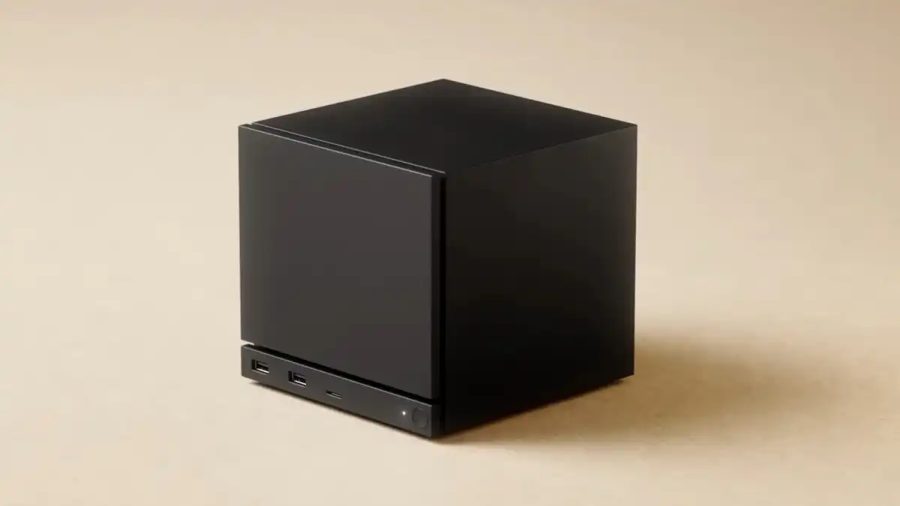
Valve started shipping the Steam Machine in late June 2026, and the device has already sparked debate: some call it a breakthrough for living rooms, others — a disappointment. However, the key advantage of Valve's console is not performance, but integration with the Steam ecosystem and seamless access to your game library on a big TV screen.
The Steam Machine comes in a cube-shaped case measuring roughly 5.9 x 5.9 x 6.2 inches. Inside, it packs a custom AMD chip with Zen 4 architecture and six cores, an RDNA 3 graphics solution with 8GB of VRAM, and 16GB of DDR5 RAM. The device runs SteamOS 3 based on Linux, familiar to Steam Deck owners. According to Valve, the new console is six times more powerful than the handheld Steam Deck.
Initially, the Steam Machine was sold through a lottery system, as demand significantly outstripped supply. The target audience is gamers who want to play their Steam titles on a living-room TV without placing a bulky gaming PC there.
A comparison with rivals shows the Steam Machine trails the PS5 Pro and Xbox Series X in raw graphical power. But Valve's ace is not the hardware — it's the software ecosystem. SteamOS and the Proton compatibility layer allow nearly the entire Steam library to run without extra tweaking, while Sony's and Microsoft's consoles are locked into their own ecosystems.
Not everyone is thrilled, though. One of the reviewer's colleagues called his Steam Machine "adorably disappointing," noting that expectations exceeded the actual experience. Still, for those already invested in the Steam ecosystem, the device could serve as a convenient bridge between PC and TV.