Space Force adds $28M for two more Impulse Space maneuverable spacecraft
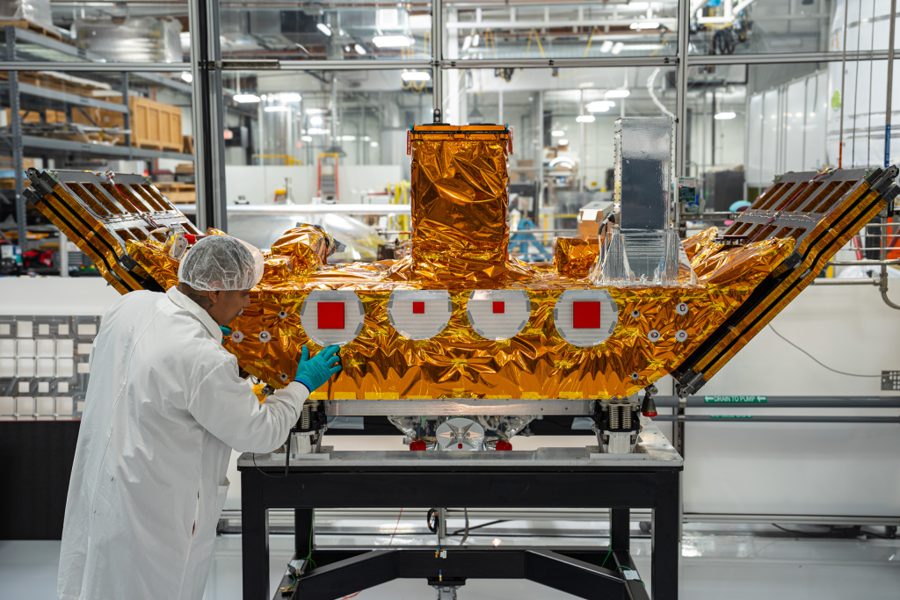
The U.S. Space Force has expanded its partnership with Impulse Space, adding $28 million to an existing agreement to fund two additional maneuverable spacecraft for tactically responsive space missions. The contract modification covers the Victus Salo 2 and Victus Salo 3 missions, which will use Impulse's Mira spacecraft platform to host government-provided payloads in low Earth orbit.
With the new funding, the total contract value now stands at approximately $62.8 million. The original agreement, a $34.8 million Small Business Innovation Research Phase 3 contract awarded in 2024 by Space Systems Command's Space Safari office in collaboration with the Defense Innovation Unit, was initially set to cover the Victus Surgo and Victus Salo 1 missions.
Victus Salo is part of the Space Force's broader Tactically Responsive Space, or TacRS, initiative, which aims to drastically cut the time required to deploy and operate spacecraft in orbit. The program marks a shift from the service's earlier emphasis on rapid launch capabilities toward a new focus: testing spacecraft that can be positioned in orbit ahead of time and maneuvered quickly as operational conditions change.
The first Victus Salo mission will see a Mira vehicle operate in low Earth orbit carrying a government payload developed by the Massachusetts Institute of Technology Lincoln Laboratory. Victus Salo 1 is currently scheduled for launch in 2027. The companion Victus Surgo mission is considerably more complex: an Impulse Helios high-energy kick stage is designed to carry another Mira spacecraft from low Earth orbit toward geosynchronous transfer orbit, demonstrating the ability to reposition assets across orbital regimes.
The expansion of the contract underscores the Space Force's growing interest in leveraging commercial innovation for military space operations. By adding two more vehicles to the lineup, the service is broadening its test envelope for tactically responsive capabilities, potentially giving operators more flexible and faster options for responding to activities in orbit. The additional missions will also allow the Space Force to validate the Mira platform's performance across multiple scenarios, gathering data that could inform future procurement decisions.