Northrop's robot mechanic will replace Optus satellite: extends its mission until 2030
Northrop Grumman has completed another phase of its satellite life-extension mission: the Mission Extension Vehicle (MEV) has undocked from the communications satellite operated by Australian carrier Optus, to which it had been attached for more than a year. The freed slot will now be taken by a new robotic system designed to give the satellite several more years of operation.
The Optus satellite, launched in 2009, was built for a 15-year lifespan. Like most such spacecraft, it fails not because its electronics break down, but because it runs out of fuel needed to maintain its orbital position. Thanks to the MEV, the satellite can remain in service and generate revenue for roughly six more years.
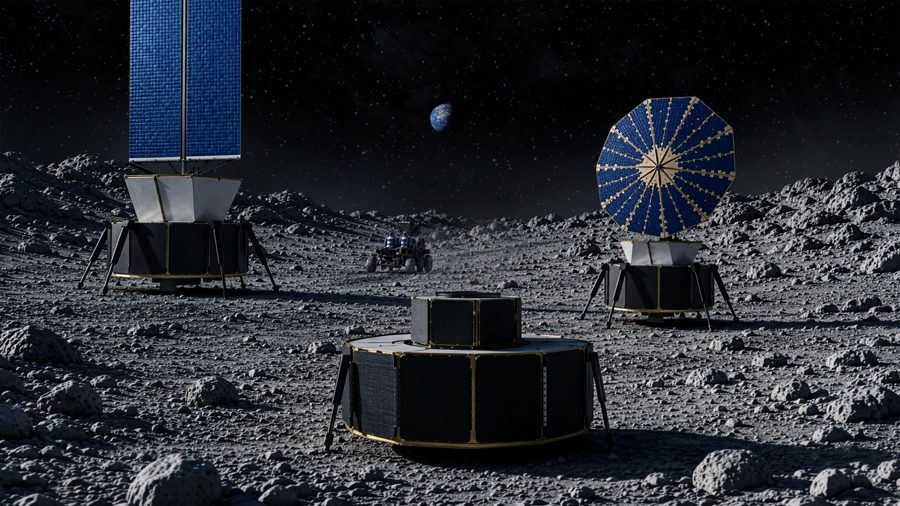
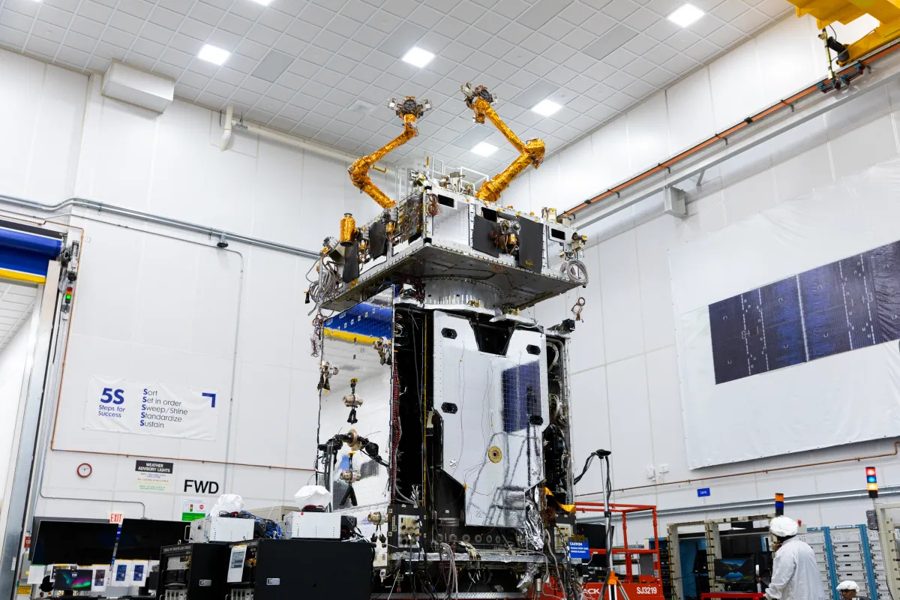
In July, four new Northrop spacecraft were launched into orbit on a SpaceX Falcon 9 rocket. One of them is the Mission Robotic Vehicle (MRV), equipped with two robotic arms developed with input from the U.S. military research agency DARPA. The other three are Mission Extension Pods (MEPs) — modular propulsion units. All are heading to a target approximately 27,000 miles above Earth.
In 2027, the MRV will use its robotic arms to attach one of the MEP pods to the Optus satellite, enabling it to keep operating for years to come. This approach differs from the previous one: while the MEV was a single unit docked to the satellite, the new system separates the robotic servicer from replaceable pods that operators can purchase and install as needed.
Two MEV spacecraft are currently in orbit, launched in 2019 and 2020. Together, they have extended the operational life of three satellites — including two Intelsat spacecraft and the Optus satellite — by a total of ten years. MEV-1 is now waiting in a parking orbit for another customer, while MEV-2 remains attached to its Intelsat client until 2030.
Cheaper launch costs and lower-cost space components are making satellite repair and servicing a practical reality. According to Northrop's director of logistics and servicing, Cassie Wong, the goal is a paradigm shift in which space is seen as sustainable, with a resilient architecture and infrastructure base that allows for spacecraft repairs, life extension, and even upgrades and maintenance of satellites.