Resin printing in 2026: GK3 Ultra review and why web UI beats cloud lock-in

Getting back into resin 3D printing in 2026 shows the tech has become much more convenient, but the industry is drifting toward closed ecosystems. The author, who previously used an Ender v2, tested a new SLA setup and compared it with the experience from 2020, while also examining the workflows that manufacturers now push.
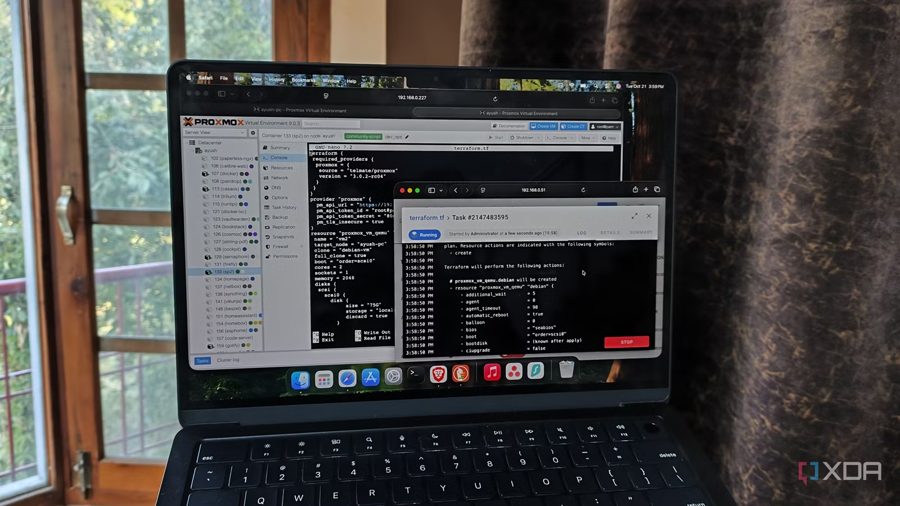
Over several weeks of printing and setup, the results included both decent models and "spaghetti" — failed plastic layers. The main takeaways concern not print quality but device management. Where manual bed leveling and a limited interface were once the norm, modern machines like the Neptune 4 offer open-source Klipper firmware, semi-automatic leveling, and the Fluidd web panel.
The author considers a web interface the best option: through a browser, you can monitor the camera, start jobs, and store files on internal memory. However, the recent trend is a shift to proprietary formats, where a slicer and mobile app become mandatory. Checking current Elegoo devices, including the Centauri Carbon line, the author found the company has followed Bambu Lab's path: Klipper-like but closed firmware, with access only via dedicated software and cloud services.
This approach feels cumbersome to the author. Open browser-based access over a local network, as with the Neptune 4, remains more flexible and convenient. In this regard, the resin GK3 Ultra scored well: it does not require mandatory cloud connectivity and allows direct operation. The verdict: over six years, SLA printing has become easier to set up and more reliable, but the choice between open and closed ecosystems now affects convenience more than technical specs do.