Porsche Taycan production reportedly ends by 2030 as sales keep sliding
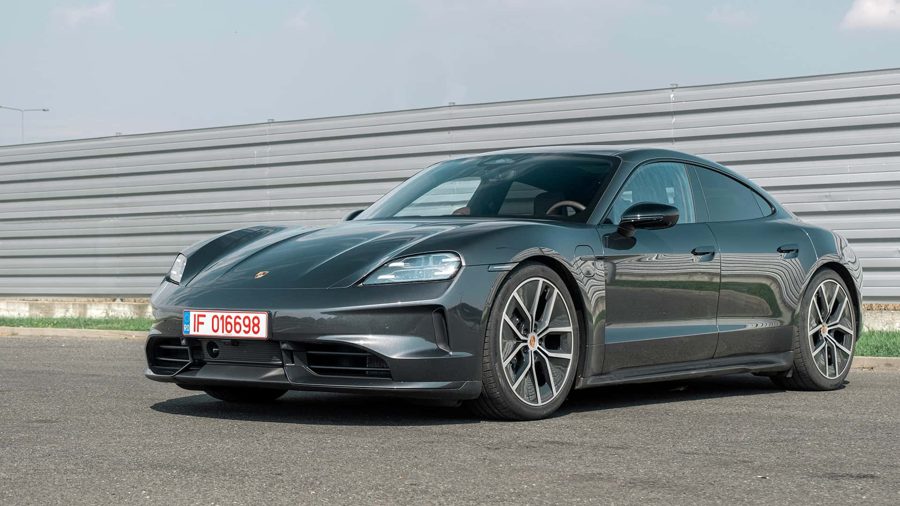
Porsche is reportedly planning to phase out production of the Taycan, its first all-electric model, by 2030. German business magazine WirtschaftsWoche reported the plan, citing unnamed sources inside the automaker. Porsche has neither confirmed nor directly denied the claim.
The Taycan arrived in 2019 as Porsche's debut EV and quickly earned a reputation as one of the most convincing electric performance sedans on the market, regardless of powertrain. But after several consecutive years of declining sales, its future now looks uncertain.
According to Reuters, Taycan deliveries fell 25% in the first half of 2026 compared with the same period a year earlier. The decline has been steady since the model's sales peaked in 2023. Since launch, Porsche has likely built around 180,000 Taycans, which still makes the model a commercial success for the brand's first attempt at an electric vehicle.
The report says Porsche weighed two options: moving Taycan assembly from its main plant in Stuttgart to Leipzig, or ending production sooner. The company reportedly settled on a gradual wind-down by the end of the decade, keeping production in Stuttgart until then.
When contacted by Reuters, a Porsche spokesperson declined to comment on the report and pointed instead to a July interview in which CEO Michael Leiters said there were "no plans to discontinue the Taycan in the short term." That statement leaves room for a longer-term phase-out, which the WirtschaftsWoche report now suggests is on the table.
If the plan goes ahead, the Taycan's production run will end roughly a decade after the first cars reached customers. Porsche has not announced any direct replacement for the model, and its broader EV strategy has been shifting in recent years as the company reassesses demand for electric vehicles in different markets.