BMW shows EV prototype that generates more energy than it uses in a day
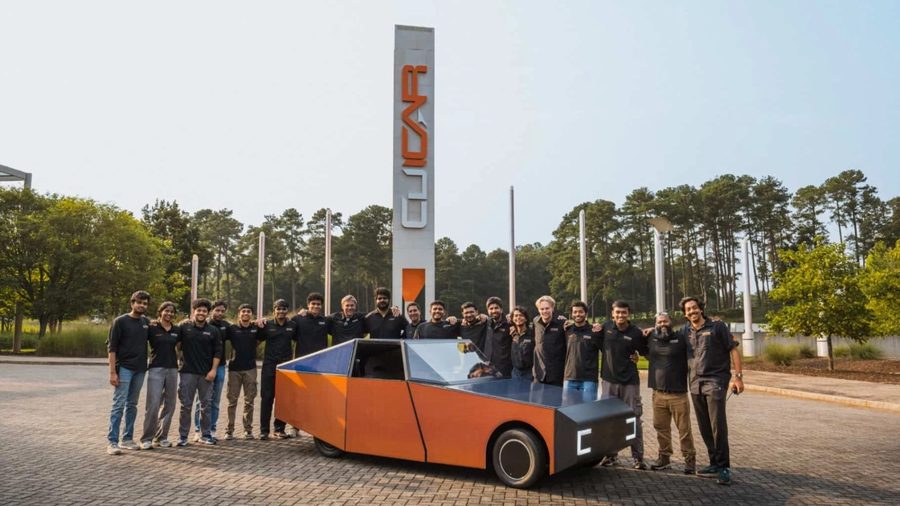
The Deep Orange 17 engineering prototype, developed by BMW together with Clemson University, can generate more electricity over a daylight period than it consumes on a drive. The vehicle, named Luminetta, weighs just 550 kilograms — roughly a quarter of the mass of a modern electric crossover and less than half the weight of the smallest production gasoline model from the Bavarian brand.
Radical weight reduction became the key factor in energy efficiency. The construction uses steel for passenger protection, aluminum, carbon fiber, and 3D-printed metal components. Students also optimized the electronics, torque distribution, and regenerative braking system to cut energy losses where they typically occur.
More than 1,700 photovoltaic cells are integrated into the body panels. The system keeps generating power even under partial shading. To validate the concept, the team simulated operating conditions in Frankfurt, Madrid, Mumbai, and Greenville. With an average daily drive of 20 kilometers, Luminetta produces surplus energy enough for an additional 50 kilometers of range. In other words, by evening the battery holds more charge than it did in the morning.
The name Luminetta pays homage to the classic BMW Isetta — the compact "bubble car" that helped the company through hard times. However, the project has no production future: Deep Orange 17 is a research effort within the Deep Orange educational program, not a pre-production prototype. A vehicle with such weight and characteristics is unlikely to hit the roads in the foreseeable future.