Perseids peak lights up the sky with six planets visible at once
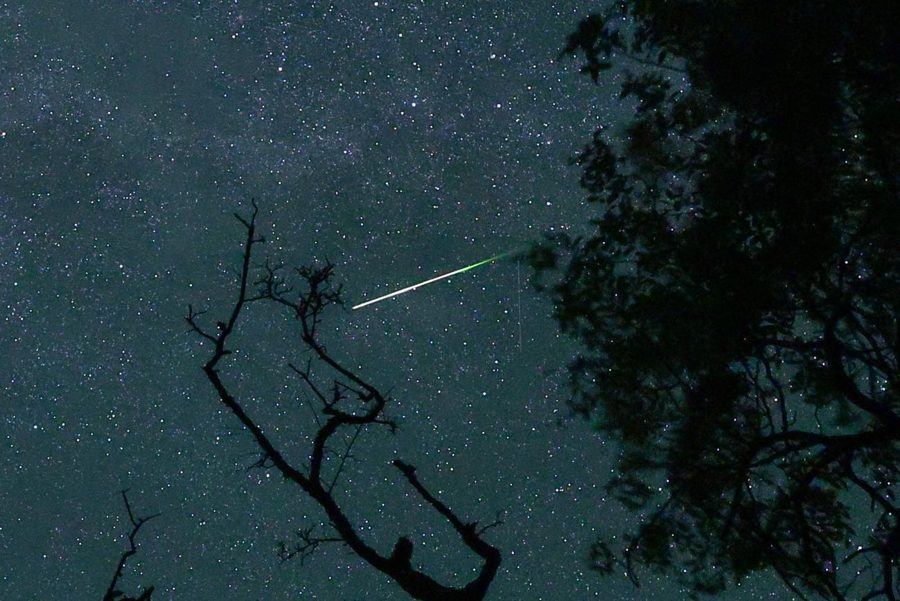
The annual Perseid meteor shower reached its peak activity on the night of August 13. At that moment, Earth was passing through a region of dusty debris left behind by a comet, causing the number of visible meteors to rise significantly compared to typical nights.
The increased activity of the Perseids lasts for about three to four days around the date of the maximum. This means observers can still spot individual bright meteors even after the peak value has passed. For the best viewing experience, astronomers recommend finding a dark location away from city lights, preferably during the late night or early morning hours when the sky is clearest.
What made this year's peak especially remarkable was the presence of six planets simultaneously visible in the night sky: Neptune, Saturn, Uranus, Mars, Mercury, and Jupiter. Under favorable weather conditions, stargazers could observe these planets alongside the meteors of the Perseid shower, creating a rare celestial spectacle that attracted both amateur astronomers and professional photographers.
The Perseids are one of the most well-known annual meteor showers, occurring every August. The shower's radiant point is located in the constellation Perseus, which gives the event its name. The particles that burn up in Earth's atmosphere are remnants of Comet Swift-Tuttle, which leaves behind a trail of dust and debris along its orbit. As Earth crosses this trail each year, the particles enter the atmosphere at high speeds, creating the bright streaks of light that observers see as meteors.
While the peak night has passed, the Perseid shower continues to offer decent viewing opportunities for several more days. Skywatchers who missed the maximum activity can still enjoy a good show, though the frequency of meteors will gradually decrease as Earth moves away from the densest part of the debris field. The combination of the meteor shower and the planetary alignment made this a memorable event for anyone who took the time to look up at the night sky.