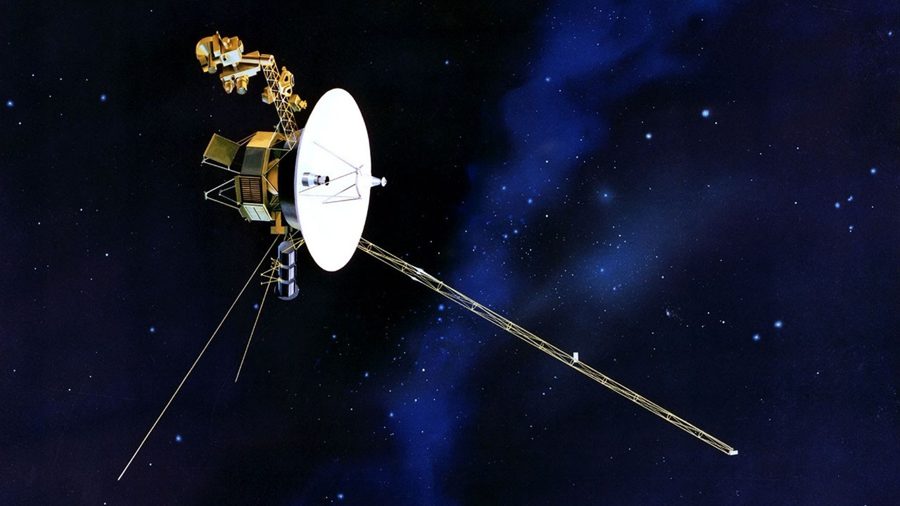
Voyager 2 gains two extra years thanks to a 'Big Bang' power switch

Engineers have extended Voyager 2's mission by two more years using an unconventional approach they call the "Big Bang." Instead of shutting down systems one by one to save power, they switched multiple onboard devices simultaneously, preserving the heat needed for operation.
The effort began over a year ago when the team faced a dilemma: the power supply on the probe, launched in 1977, was running low. Project Manager Suzanne Dodd explained that the main constraints were power and temperature—without sufficient heat, the fuel lines could freeze, and the spacecraft would lose its ability to point at the antenna.
The original plan was to turn off instruments sequentially, but that saved power without providing thermal benefit. The team had previously established that the instruments could survive without their heaters. However, keeping the remaining instruments powered meant sacrificing one. This led to the idea of switching systems all at once, which would yield more power while keeping the electronics warm.
The main challenge was precise power and thermal modeling. Data on each component had been recorded nearly 50 years ago and might contain hidden margins. A difference of even 0.2 watts matters: if documentation says 4 watts but the actual draw is 3.8 watts, it affects the overall balance.
Before the maneuver, engineers conducted limited thermal tests on Earth. The tension came from the fact that the commands had been executed twice before and were considered reliable, but a full test under realistic conditions was impossible. The operation ultimately succeeded, giving the probe additional time for scientific observations.