Lunar regolith is deeper than expected — new map shows where to build Moon bases
Scientists from Brown University have created the first detailed map of lunar regolith thickness across the entire surface of the Moon, revealing that the layer of crushed rock and dust is significantly deeper than previously estimated. The findings were published in The Planetary Science Journal.
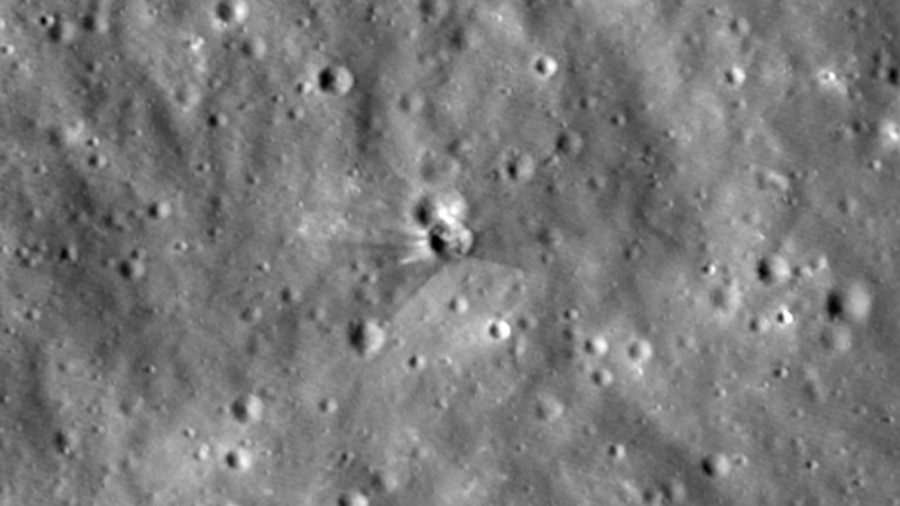
The research team analyzed 346 relatively fresh impact craters to determine whether a meteorite had punched through the loose soil down to solid bedrock. The presence of large boulders around a crater rim indicated that the impactor had reached the underlying rock layer.
The study found that the average regolith depth reaches six meters in the ancient highlands and about four meters on the volcanic plains. This difference is tied to the age of the terrain: the highlands have endured meteorite bombardment for over four billion years, while the lunar maria formed much later after massive volcanic eruptions.
The authors emphasized the practical value of the new map for planning future space missions. Areas with a thin layer of regolith are ideal for building foundations of lunar bases, while deeper deposits are of interest as potential sources of water and other useful resources. The data could help mission planners select landing sites that balance construction ease with resource accessibility.
Earlier, Roscosmos announced plans to conduct a radar scan of the Moon in 2028, which could further refine the map's accuracy and provide additional data on subsurface structures.