LG’s $2 billion Michigan battery plant fires up production — Toyota Highlander is first major client
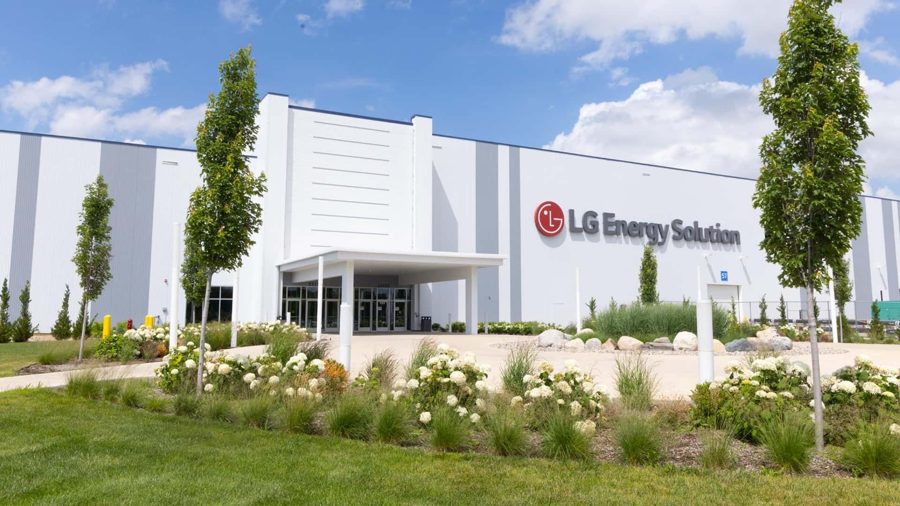
LG Energy Solution has officially commenced production of electric vehicle batteries at its new facility in Lansing, Michigan. The plant, situated on a 226-acre site, represents an investment of over $2 billion and currently employs 900 people. At full capacity, the workforce is expected to reach 1,700 employees, and the facility will produce up to 35 GWh of battery cells per year.
The Michigan plant will manufacture both automotive battery cells and energy storage system (ESS) components. One of its most notable clients is Toyota. LGES will produce nickel-manganese-cobalt (NMC) lithium-ion battery modules for the upcoming all-electric three-row Toyota Highlander. These cells will be shipped to Toyota's assembly plant in Georgetown, Kentucky, keeping a significant portion of the Highlander's supply chain within the United States.
In addition to NMC cells for passenger EVs, the Lansing factory will also produce lower-cost lithium iron phosphate (LFP) batteries. These LFP cells are intended for large-scale energy storage systems, which are increasingly in demand for grid stabilization and renewable energy integration.
The facility is designed to serve multiple brands and sectors simultaneously. LG Energy Solution stated that the plant will play a pivotal role in Michigan's manufacturing capabilities, producing both cells and complete battery modules for various customers. The company did not disclose the exact timeline for ramping up to full production capacity, but the start of operations marks a significant step in the expansion of North America's domestic battery supply chain.
The Lansing megafactory is part of a broader trend of battery makers building production capacity in the U.S. to meet the growing demand for electric vehicles and energy storage, driven by both automakers' electrification goals and federal incentives.