Tesla boosts Robotaxi fleet by 50% overnight, but China's thousands of autonomous trucks steal the spotlight
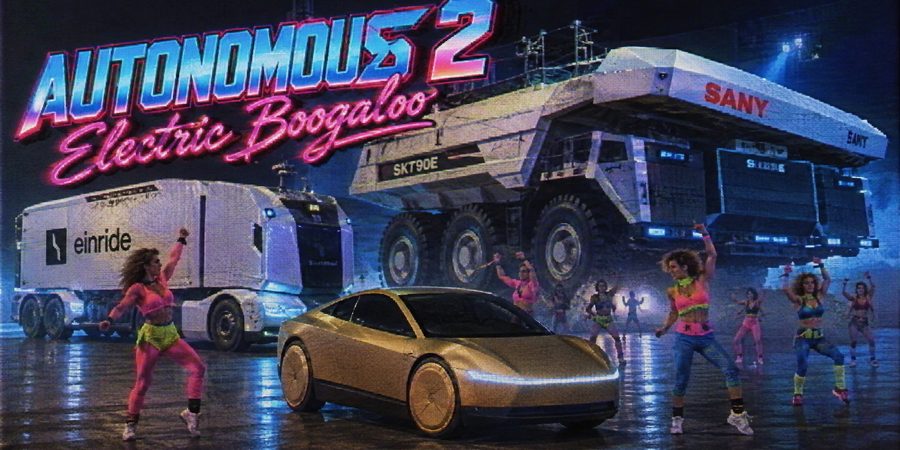
Tesla has increased its nationwide fleet of fully autonomous Robotaxis by 50% with a single administrative move, according to the latest episode of Electrek's Quick Charge podcast. While the company did not disclose the exact method behind the expansion, the development underscores Tesla's continued push to scale its self-driving vehicle operations. The episode also compares Tesla's autonomous deployment numbers with those of other players worldwide.
Meanwhile, Swedish autonomous freight company Einride is making progress of its own. The company operates Level 4 autonomous heavy trucks in Europe and has recently expanded operations to Ohio in the United States. These trucks are capable of driving without human intervention under specific conditions, marking a significant step forward for autonomous logistics in the Western world.
However, both Tesla and Einride's achievements are dwarfed by what is happening in China. According to the podcast, China currently has thousands of fully autonomous ultra-heavy haul trucks operating in mines — not in testing, but in real-world, day-to-day operations. These massive vehicles handle extreme loads and harsh environments without human drivers, demonstrating a level of large-scale deployment that no other country has yet matched.
The episode highlights the gap between hype and reality in the autonomous vehicle sector. While Tesla's Robotaxi fleet expansion is notable, China's massive fleet of autonomous mining trucks represents a more tangible and large-scale application of the technology. The discussion also touches on how different regions approach autonomous driving regulation and deployment, with China's aggressive industrial strategy giving it a clear lead in heavy-duty autonomous vehicles.
This report is based on the Quick Charge podcast episode published by Electrek.