Leica M in 2026: Why pay thousands for a manual lens when autofocus does everything
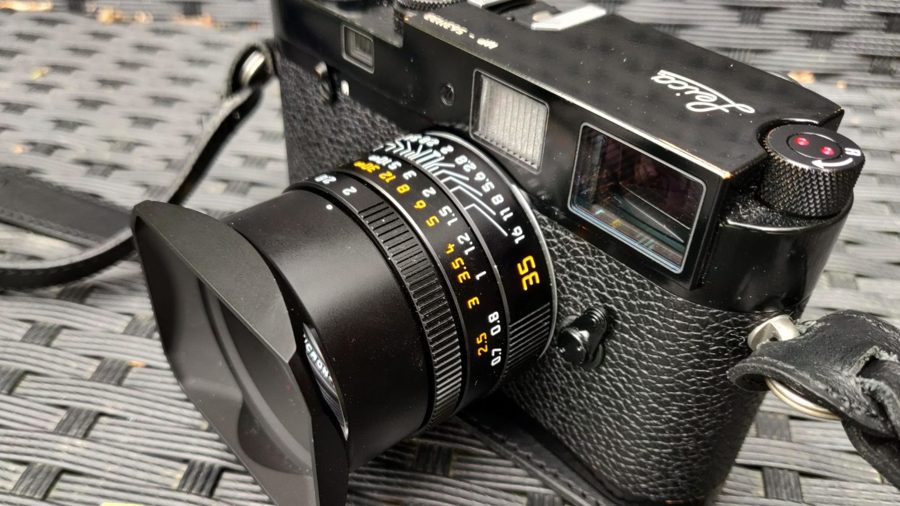
In 2026, when neural networks can fill in reality on the fly and autofocus locks onto a bird's eye in milliseconds, the Leica M with its fully manual optics seems like a relic. Yet demand for M-mount lenses is not declining. The choice of optics for Leica M rangefinders today is vast, and the key question is whether the investment is worth it.
Leica M cameras are more than just tools. They are phenomenally built, have a unique character, and force you to slow down. This deliberate approach to photography is a stark contrast to modern speed-driven systems. Manual focusing takes some getting used to, but once you master the rhythm of a rangefinder, it becomes second nature.
The lenses in the M-mount lineup share a love for minimalism. Compactness and light weight are great, but the real thrill comes from the image quality. Crystalline sharpness, deep contrast, rich tonal transitions, and impeccable color reproduction — these are the hallmarks that make Leica shots so distinctive and refined.
If you are considering expanding your gear, the current lineup deserves attention. Leica offers a wide range: from classic 50mm lenses to ultra-wide-angles. Each lens has its own character, and the choice depends on your shooting style. It is important to understand that Leica M is not about speed — it is about quality and the process itself. The rangefinder experience is a deliberate, meditative act that rewards patience and precision. For those who value craftsmanship over automation, the Leica M system remains unmatched in 2026.