Flock tightens police surveillance rules — but leaves loopholes for existing contracts
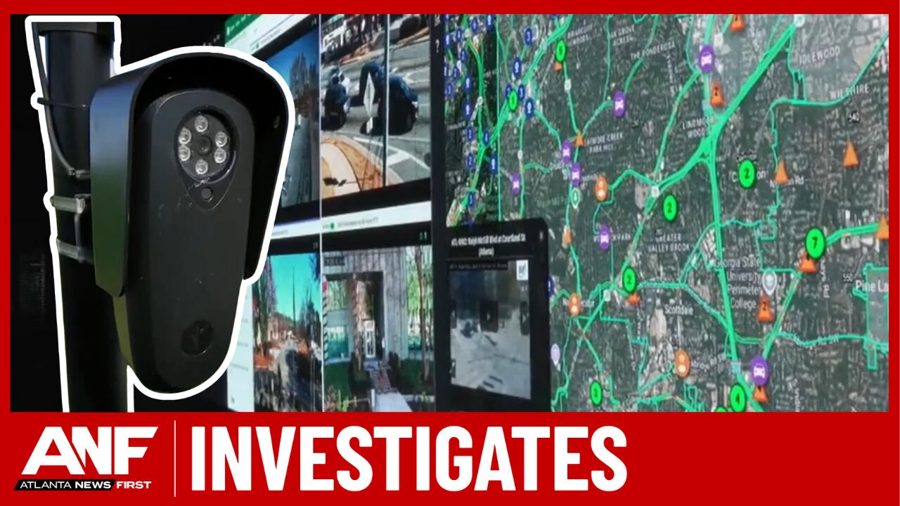
Following dozens of reported cases of police misconduct, including the arrest of three Georgia deputies on Monday and an investigation into a Massachusetts officer, Flock Safety on Thursday announced new policies governing the use of its AI-powered surveillance cameras.
Flock's cameras can track license plates, vehicle features and, on certain models, people as well. They can also listen for disturbances such as gunshots. The camera networks have drawn scrutiny over their potential to enable casual surveillance of communities, as well as documented abuses — police have used the systems to monitor former partners or invented pretexts for searches that resulted in information being shared with agencies such as ICE. That has led to protests, contract cancellations and, in some cases, cities blocking cameras by wrapping them in trash bags because Flock refused to take them down.
The new policy package is the company's largest response to these issues to date, introducing a series of changes governing how law enforcement can use its surveillance systems. However, most of the changes will not be required until the end of the year, and some will not affect existing contracts. Flock has also carved out exceptions to the new rules, leaving police and sheriff's departments responsible for enforcing them while giving them mechanisms to continue using the cameras as they see fit.
According to a statement from the American Civil Liberties Union, Flock operates more than 120,000 automatic license plate readers in at least 6,000 cities. The ACLU noted that Flock has attempted similar security measures before and they failed to prevent abuse. The new rules, while a step forward, still leave significant room for police departments to bypass restrictions, particularly through the exceptions and the delayed implementation timeline.