Don't Replace the Nozzle: Why 3D Printer Upgrades Should Start Elsewhere
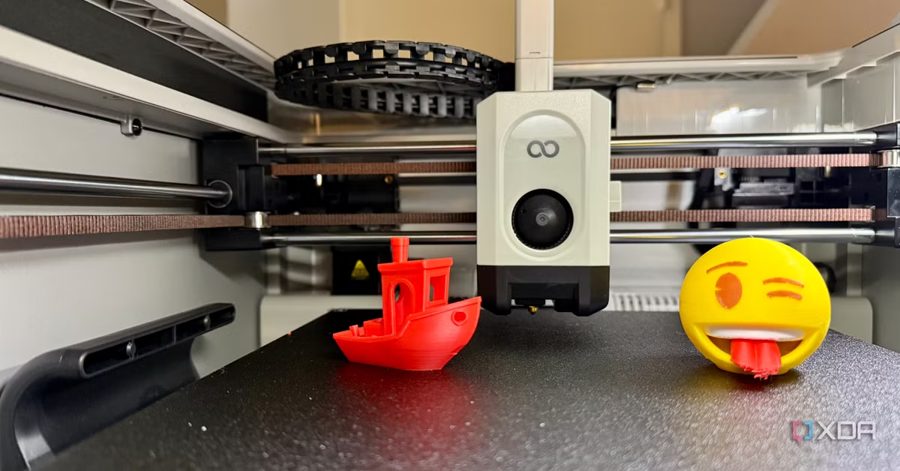
3D printer owners often rush to swap the nozzle right after their first successful prints, assuming it's the weak link. Experts say this is a common mistake: replacing the nozzle isn't the upgrade that will actually improve print quality first. Unless the part is worn out or preventing you from printing a specific material, several other improvements deserve priority.
The top candidate for replacement is the build surface. First-layer quality affects every print, and poor adhesion can ruin a job before the first layer finishes. Meanwhile, parts that stick too well create a different kind of hassle when it's time to remove them. An uneven platform makes it harder to evaluate the rest of the print, so experts consider first-layer issues more disruptive than minor extrusion tweaks.
A textured PEI plate solves most adhesion problems with regular PLA and PETG printing. It only requires keeping it clean and using sensible temperatures, eliminating the need for adhesion rituals before every start. A removable spring-steel sheet also makes removing large parts much easier: just flex the sheet to release the model, instead of carefully prying it off and risking damage.
A reliable platform also removes one major variable when troubleshooting. When the first layer looks bad, beginners tend to adjust temperature, flow, Z-offset, and slicer settings almost simultaneously. This approach usually confuses more than it helps: changing several parameters at once doesn't reveal what actually influenced the result. A stable surface provides a solid baseline before users start blaming the nozzle.
Filament condition is another area where people waste time chasing the wrong problem. Rough surfaces, inconsistent extrusion, or faint popping sounds often come from moist plastic, not the nozzle. Swapping the nozzle won't fix the issue if the material has absorbed humidity. Drying the filament or storing it in a dry container is a more effective solution than replacing hardware that works fine.
So before spending money on a new nozzle, consider the build surface and material condition first. These upgrades deliver more visible results and help avoid the disappointment of a pointless part replacement.