Data center expansion meets growing public opposition across communities worldwide
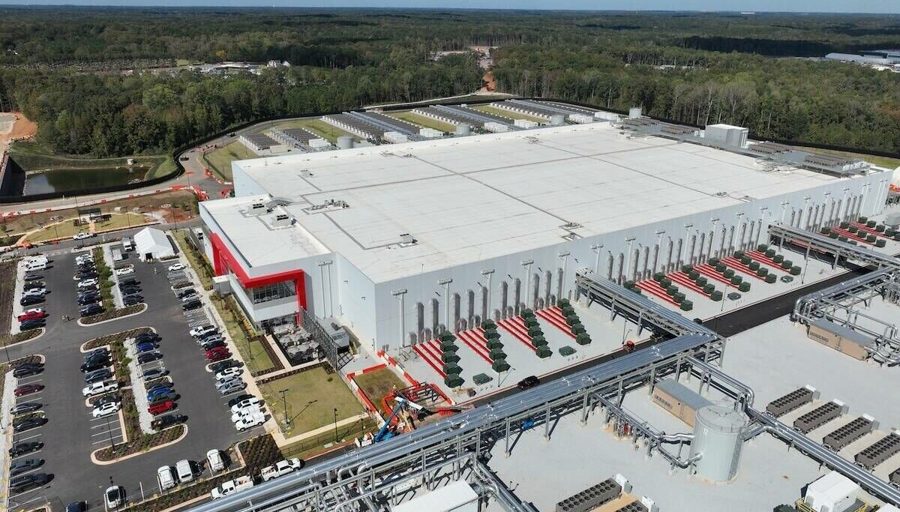
The global expansion of data centers is increasingly meeting organized resistance from local communities. Residents are staging protests, filing lawsuits, and blocking construction of new facilities over concerns about noise, energy and water consumption, and impacts on property values. The issue has become so systemic that data center operators are being forced to change how they engage with regions.
Scale of construction is a key trigger for discontent. In several European and American municipalities, large campuses occupy areas comparable to small towns. Locals complain that construction decisions are made without proper public consultation, and promises of job creation fail to materialize since most employees come from other regions.
Environmental factors also play a significant role. Data centers require enormous amounts of electricity and water for cooling, adding strain to infrastructure during droughts or peak demand periods. In response, activists demand stricter regulations and independent assessments. Some operators have begun adopting more efficient cooling systems and shifting to renewable energy, but this does not always ease tensions.
Tax incentives granted to companies to attract investment form another conflict point. Critics argue such preferences burden local budgets and bring no tangible benefit to residents. In several cases, courts have sided with plaintiffs and revoked construction permits, pushing the industry to rethink site selection and public communication strategies.
Operators, for their part, insist that data centers are critical infrastructure for the digital economy and necessary for cloud services and artificial intelligence development. They offer compromises—from building additional social facilities to direct payments into local funds. Yet, as practice shows, trust recovers slowly, and each new project risks becoming a focal point of prolonged confrontation.