Apple, Meta and Snap Are Building Brain-Reading Gadgets — Scientists Want 'Neurorights'
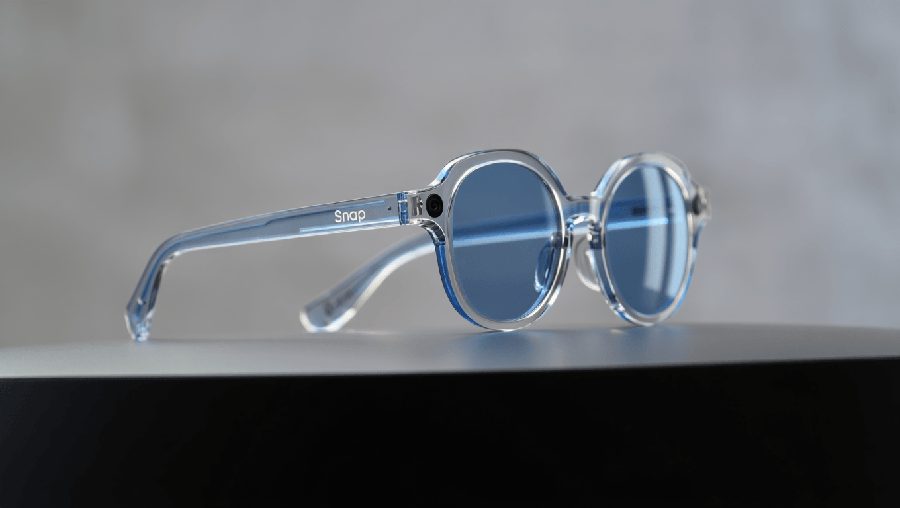
Consumer neurotechnology is moving rapidly from research labs into workplaces and homes, with Apple, Meta, and Snap all developing products that can monitor or interpret brain activity. As these systems improve, neural data could become the next major privacy battleground, researchers warn.
Over the past two decades, scientists using functional magnetic resonance imaging (fMRI) — which tracks the iron in hemoglobin supplying oxygen to neurons — have built increasingly detailed maps and inventories of the mammalian cortex. Thanks to major advances in machine-learning AI, which can sort through enormous datasets and use statistical methods to make classifications and predictions, fMRI scans can now identify everything from depressive thoughts to the nuanced feelings of envy and schadenfreude.
Some algorithms have successfully pieced together reconstructions of movie clips that subjects watched, based solely on brain scans. Others, probing the brain activity of swing voters during a US presidential election, detected which candidates provoked anxiety or disgust and which elicited positive responses or empathy.
Neuroscientists are now calling for a set of core rights, dubbed "neurorights," to protect "mental privacy," personal identity, and individual "agency." These rights would establish legal safeguards around the collection and use of neural data, which is far more sensitive than conventional personal information because it can reveal thoughts, emotions, and even subconscious reactions.
The push for neurorights comes as brain-computer interfaces and wearable neurodevices become more affordable and widespread. Advocates argue that without explicit protections, companies could exploit neural data for targeted advertising, behavioral manipulation, or insurance risk assessment. Some jurisdictions are already exploring legislation, but the technology is advancing faster than the legal framework can adapt, leaving a widening gap between what devices can do and what the law permits.