Yandex plans 1,500 delivery robots per month to slash courier costs
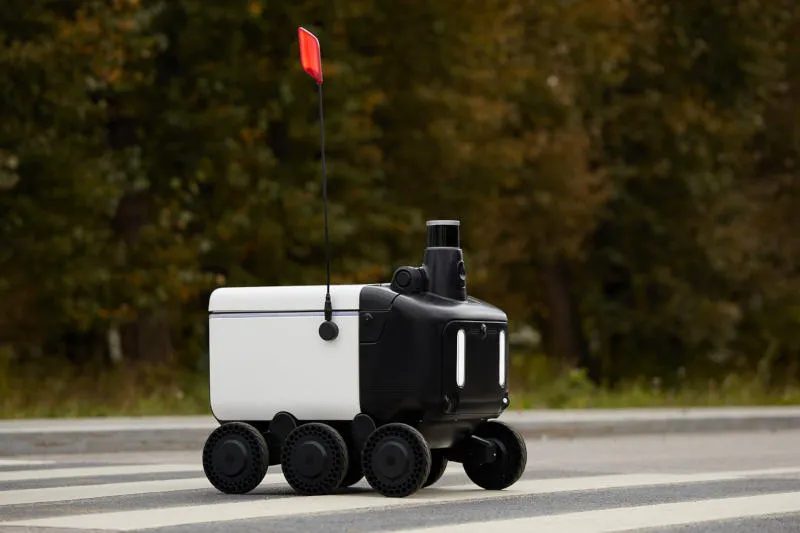
Yandex has announced ambitious plans to scale up production of its delivery robots, aiming to assemble as many as 1,500 units per month. The company believes this volume will make robotic delivery substantially cheaper and help expand the service far beyond its current footprint.
At present, Yandex produces only a fraction of that number, and each robot carries a high price tag. However, the move to mass production is expected to cut the cost per unit several times over. That reduction, in turn, should translate into lower delivery fees for customers who order food and goods through the company's services.
The robots are already operating in selected districts of Moscow and several other Russian cities, ferrying orders from restaurants and shops to users' doors. The current fleet numbers in the low hundreds, according to the company. Reaching a monthly output of 1,500 units would allow Yandex to dramatically widen the service's geography and handle far more orders without human couriers.
Scaling up to such volumes requires more than just additional assembly lines. Yandex will need to optimize its supply chain, source components in larger quantities, and refine production logistics. The company is counting on economies of scale to bring down costs not only of the robots themselves but also of the entire delivery operation, making it viable in areas where robotic couriers currently don't pay off.
Looking ahead, Yandex does not rule out supplying its delivery robots to third-party operators and logistics firms. If production targets are met, the company could position itself as a hardware maker as well as a service provider, opening up new revenue streams beyond its own delivery business. The move comes amid growing competition in the local delivery market, where speed and cost are key differentiators. While Yandex has not disclosed a specific timeline for reaching the 1,500-per-month mark, the company made clear that mass production is a strategic priority in the near term.