Wi-Fi 8 routers arrive in 2026, but don't buy one before 2028
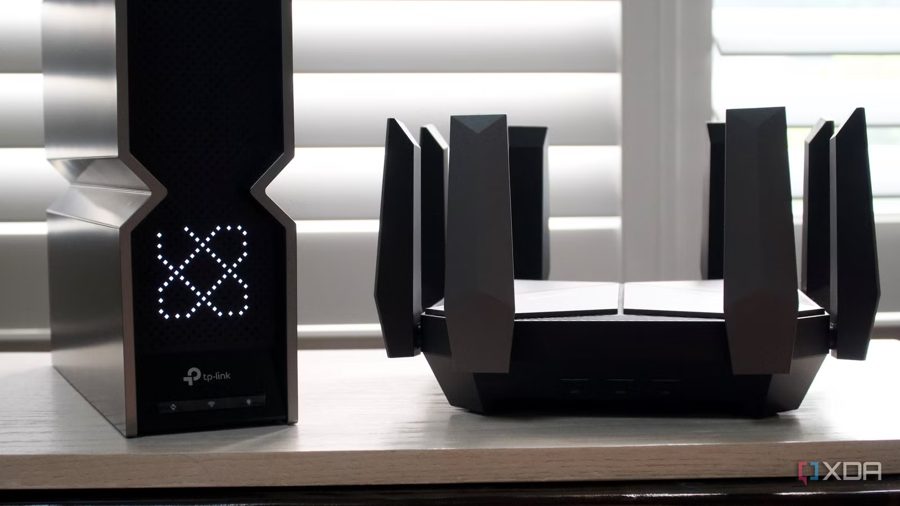
Networking vendors have already unveiled the first Wi-Fi 8 routers, yet widespread adoption of the new technology should not be expected for at least two years. TP-Link and Asus have shown such devices and plan to launch them in late 2026. The official IEEE standard specification, however, will not be finalized until 2028, making those models little more than a preview for enthusiasts.
Draft-spec Wi-Fi 8 routers could hit the market as early as next year. Their compatibility with the final standard is not guaranteed, and no client devices will support the technology before 2028. Experts advise holding off on purchasing such gear for at least two years, despite promises of a major boost in connection reliability.
Wi-Fi 7 has yet to go mainstream: the first commercial routers of that generation arrived almost four years ago, but the official specification appeared only in early 2024. Even in the US, where the technology has the strongest footprint, its share stands at just 7.2%. About 80% of the market is still dominated by Wi-Fi 6E, Wi-Fi 6, and Wi-Fi 5 devices.
The 802.11bn standard is being developed by the Wi-Fi Alliance, with a final release expected no earlier than early 2028. Wi-Fi 8 will center on Ultra High Reliability (UHR), an umbrella term for technologies aimed at maximum link stability. The new standard keeps the 6 GHz band, 320 MHz channels, and Multi-Link Operation, while adding several key innovations.
Among them is Multi-Access Point Coordination (MAPC), which lets access points in a mesh network communicate with each other to cut interference and raise throughput. Coordinated Spatial Reuse (Co-SR) enables multiple APs to transmit on the same channel simultaneously by dynamically adjusting transmission power. Dynamic Sub-Channel Operation (DSO) splits 320 MHz channels into narrower widths, accommodating more devices and using otherwise wasted spectrum.
Overall, Wi-Fi 8 promises to cut jitter, latency, and dropped packets by roughly 25%, along with lower energy consumption. Yet until the final standard and compatible devices arrive, these benefits will remain out of reach for most users.