Waymo reveals its robotaxi brain: a 5nm chip with 1000 TOPS and full redundancy
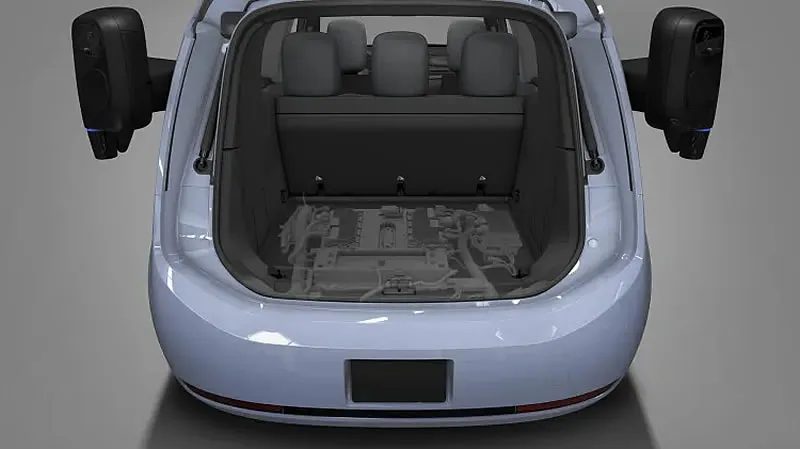
Waymo has for the first time disclosed the details of the computing system that powers its robotaxis. The computational complex is located in the trunk and processes data from cameras, lidars, and radars in real time, converting them into commands for vehicle control.
Vice President of Engineering Satish Jeyachandran and Head of Compute Systems Daniel Rosenband explained that the design followed three core principles: minimal latency, resilience to environmental conditions, and redundancy. The equipment must withstand vibrations and temperature fluctuations, operate almost silently in the confined trunk space, and the presence of two parallel systems ensures functionality even if one fails.
The central component is a custom 5nm ASIC with a performance of 1000 TOPS. This chip performs initial processing of sensor data, fuses information from different sources, and runs machine learning algorithms before passing results to the rest of the computing complex. The architecture is primarily optimized for machine learning, but for auxiliary tasks such as data movement and logging, Waymo combined its own technologies with components from third-party suppliers.
The system is built on a full redundancy principle: every sensor, processor, memory module, and power channel is duplicated. If one component fails, control instantly switches to the backup, which is critical for safety. The developers emphasized that this approach helps avoid emergency situations even during hardware failures. The computing platform is designed to operate silently and efficiently within the limited space of the trunk, while maintaining high performance under extreme conditions. Waymo's vice president noted that the company's custom chip allows them to achieve the necessary performance per watt, which is essential for autonomous driving systems that must run continuously without overheating. The redundant architecture also ensures that the robotaxi can complete its journey safely even if a major component fails mid-route, providing a level of reliability comparable to aerospace systems.