NASA gives Voyager 2 one more year of life by turning off some systems
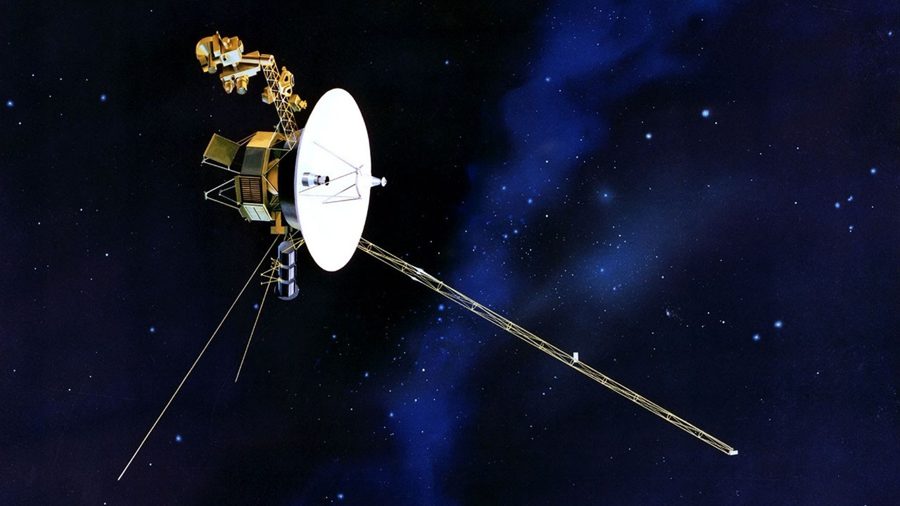
The Voyager 2 spacecraft, launched in 1977, will keep doing science for at least another year. NASA engineers adjusted the probe's settings in an operation dubbed "Big Bang," which extends its operational life by one additional year.
The move was driven by the gradual depletion of the probe's energy reserves. Voyager 2 relies on a radioisotope thermoelectric generator that converts heat from decaying plutonium into electricity. As the fuel runs out, the generator's output drops by roughly 4 watts each year.
At launch, the spacecraft carried ten working scientific instruments, but only three remain — the rest had to be switched off to conserve power. Without intervention, NASA would have had to shut down another instrument this year. Instead, engineers simultaneously powered down several energy-hungry devices and replaced them with lower-power alternatives, while also ensuring the probe stays warm enough to operate with those systems off.
Voyager 2 lifted off about two weeks before its twin, Voyager 1, to study the gas giants of the solar system. It reached Jupiter in 1979 and visited all the gas giants within the following decade. In 2018, the probe entered interstellar space and has since been sending back data on the density and temperature of plasma outside the heliosphere — the bubble created by the Sun around itself and its planets. Its signals travel about 13 billion miles to reach Earth.