US startup breaks ground on first large-scale polymer electrolyte factory for safer grid batteries
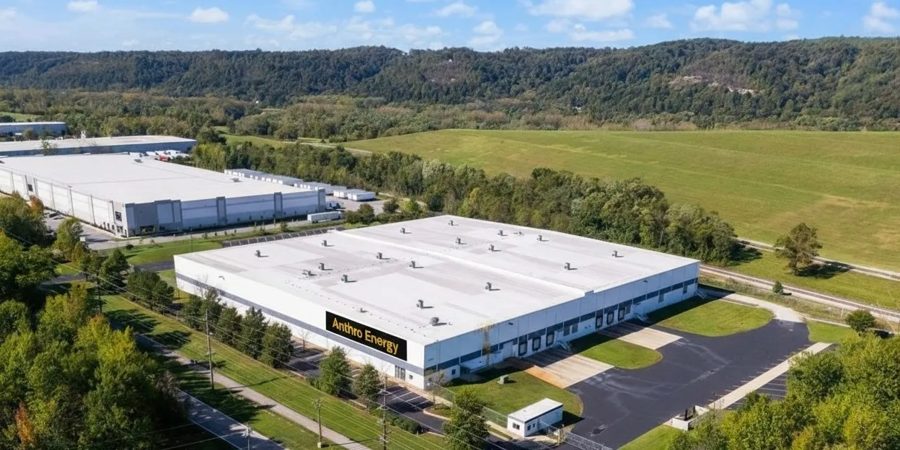
California-based startup Anthro Energy has broken ground on a first-of-its-kind battery materials factory in Louisville, Kentucky. The facility will be the first large-scale, US-owned and operated plant dedicated to producing advanced electrolytes for lithium-ion batteries.
Scheduled to open in late 2027, the plant is expected to manufacture approximately 12,000 metric tons of polymer electrolyte annually. That output is enough to support the production of batteries with a total capacity of up to 25 gigawatt-hours (GWh). To put that number in perspective: if all of the plant's output were used exclusively for stationary energy storage, it could supply the batteries for 6.25 GW of four-hour storage projects every year. However, Anthro Energy is targeting multiple markets, including transportation, defense, robotics, and consumer electronics.
The electrolyte is the material that carries lithium ions between a battery's positive and negative electrodes during charging and discharging — essentially the internal pathway that makes the battery work. Most conventional lithium-ion batteries rely on a flammable liquid electrolyte. Anthro's proprietary platform, called Proteus, is injected into the cell as a liquid using standard battery manufacturing equipment. During the cell's normal formation process, it undergoes a chemical reaction that transforms it into a solid or semi-solid polymer.
This shift matters for grid-scale storage because battery facilities pack thousands of cells tightly together. A material that is more resistant to fire, short circuits, and swelling can significantly reduce the risk of a failure in one cell cascading into a catastrophic chain reaction. The polymer electrolyte's inherent stability could make large-scale battery installations safer and more reliable, addressing one of the key concerns for the expanding energy storage industry.