US slaps 100% tariff on foreign drones — and it hits DJI where it hurts
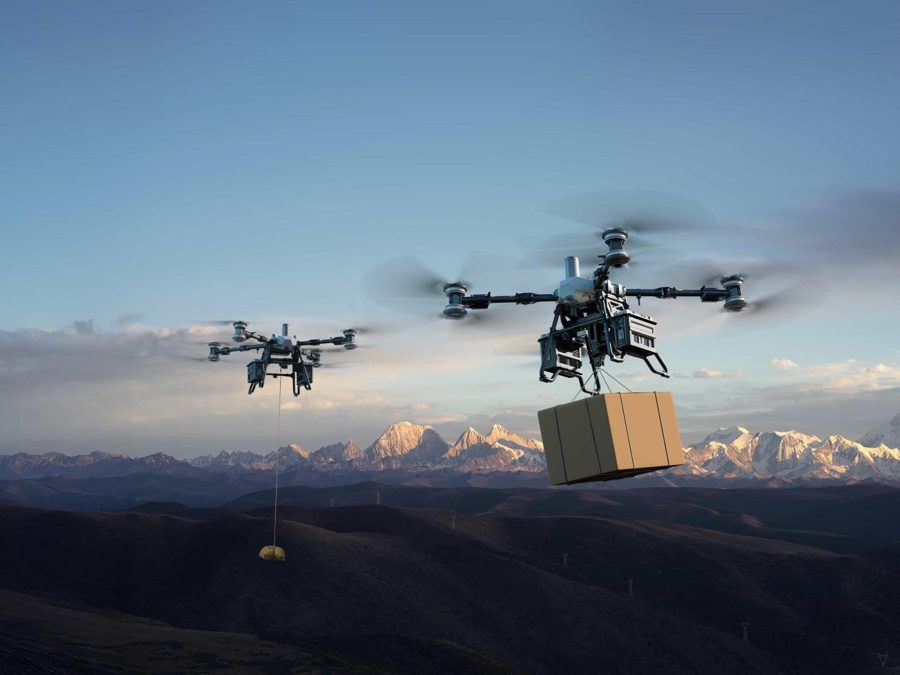
President Donald Trump has signed a presidential proclamation imposing tariffs of up to 100% on imported quadcopters and their critical components, marking a major escalation in Washington's push to insulate critical technologies and bring high-tech manufacturing back to American soil. The measure, issued under Section 232 of the Trade Expansion Act of 1962, follows an investigation led by Commerce Secretary Howard Lutnick, which concluded that foreign dependencies on unmanned aircraft systems pose a significant threat to U.S. national and economic security.
The investigation found that both domestic defense and commercial sectors remain heavily reliant on overseas drones and parts, creating acute supply chain vulnerabilities and potential cybersecurity risks. While the tariffs apply broadly across all international suppliers, the measure is implicitly aimed at China. Chinese manufacturers, led by Shenzhen-based DJI Technologies, have long dominated the U.S. market, accounting for an estimated 70% of commercial drone sales. The new duties compound mounting pressure on Chinese drone makers, which already face potential cutoffs from key communication bands following growing restrictions by the Federal Communications Commission.
Most of the new duties will take effect 21 days after the signing, leaving importers a narrow window to adapt their supply chains and pricing strategies. However, tariffs on less sensitive components, as well as products granted temporary exemptions, will be phased in at a later date. The proclamation excludes a broader ban on foreign drones currently being proposed by the FCC, meaning the tariff route remains the administration's primary tool for now. The move is expected to reshape the commercial drone market in the U.S., where DJI's dominance has long been a point of contention for lawmakers and domestic competitors alike.