US launches initiative to bring nuclear power to civilian shipping
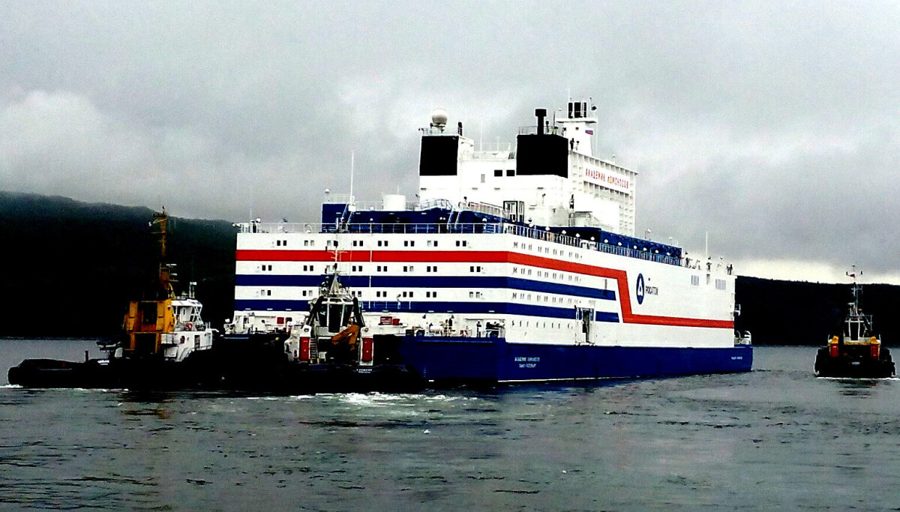
American authorities have launched a program aimed at advancing nuclear energy in the maritime sector. The initiative seeks to help atomic technology find applications beyond traditional land-based plants, including potential use on ships and other floating structures.
The project involves studying the feasibility of integrating small modular reactors into civilian fleets. This could pave the way for vessels with nuclear propulsion systems used for commercial transport, as well as for supplying power to remote regions and offshore platforms. The move is seen as a way to cut carbon dioxide emissions in the shipping industry, which remains one of the largest sources of atmospheric pollution.
Under the program, officials plan to work with private companies and research institutions to assess technical and regulatory hurdles. Particular attention is paid to safety issues, spent fuel disposal, and the economic viability of such projects. According to preliminary estimates, the first commercial ships with nuclear reactors may appear no earlier than the next decade.
Experts note that maritime nuclear power faces serious challenges, including high construction costs and difficulties maintaining reactors at sea. Nevertheless, proponents point to the successful track record of nuclear icebreakers and submarines, which demonstrates the reliability of such technologies in extreme conditions.
The new initiative is part of Washington's broader strategy to revive the nuclear industry, which in recent years has faced competition from renewable energy sources. If the project succeeds, it could reshape the global shipbuilding and energy markets.