Ubuntu Server turned out better than expected: a lightweight alternative to the 'bloated' Desktop
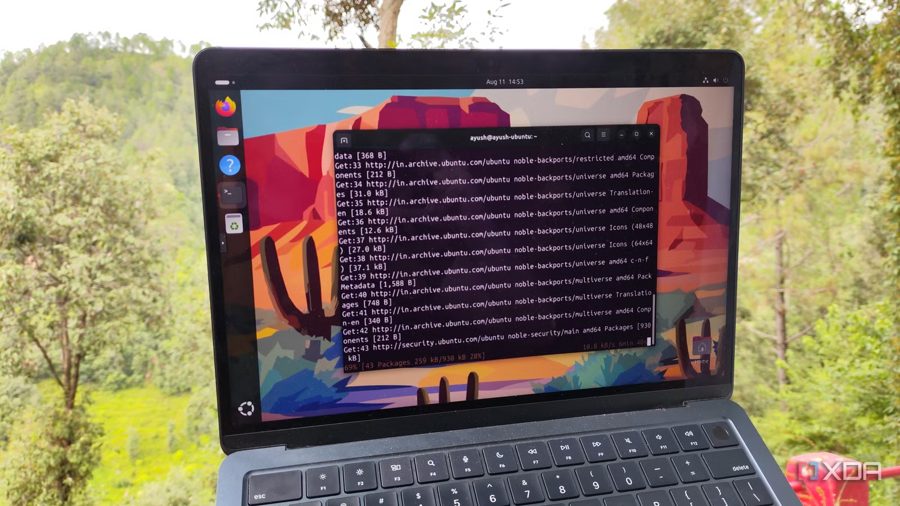
A Linux enthusiast who avoided Ubuntu Server for years due to the reputation of its desktop counterpart admitted that the server edition exceeded expectations. During a home lab experiment started last year, it became clear that the server version lacks the flaws inherent in its GUI-based "big brother."
The main complaint about Ubuntu Desktop is its overload of preinstalled software. Many built-in apps, services, and packages are useless for real-world tasks, although the system remains accessible to beginners thanks to minimal reliance on the terminal. However, Canonical has significantly raised the minimum system requirements: for version 26.04 LTS, 6 GB of RAM is recommended, which is excessive for a Linux distribution, especially amid the ongoing memory shortage in the PC market.
Separate dissatisfaction stems from the push of Snap packages instead of traditional apt. Snap versions of applications tend to be less optimized in terms of resource consumption than their regular counterparts, and their proprietary nature does little to win over the community. Attempts to run Ubuntu Desktop on older machines with 4 GB of RAM also hit roadblocks.
Ubuntu Server, in contrast, offers a minimalist design without extra clutter. The distribution proved lightweight and functional, making it an underappreciated tool not only for the enterprise sector, where it is already popular, but also for everyday users experimenting with home servers. The author notes that many useful distributions do not receive due recognition, and Ubuntu Server is a prime example of such an oversight.