Chromebook market in crisis: only ASUS grows 66% amid memory shortage
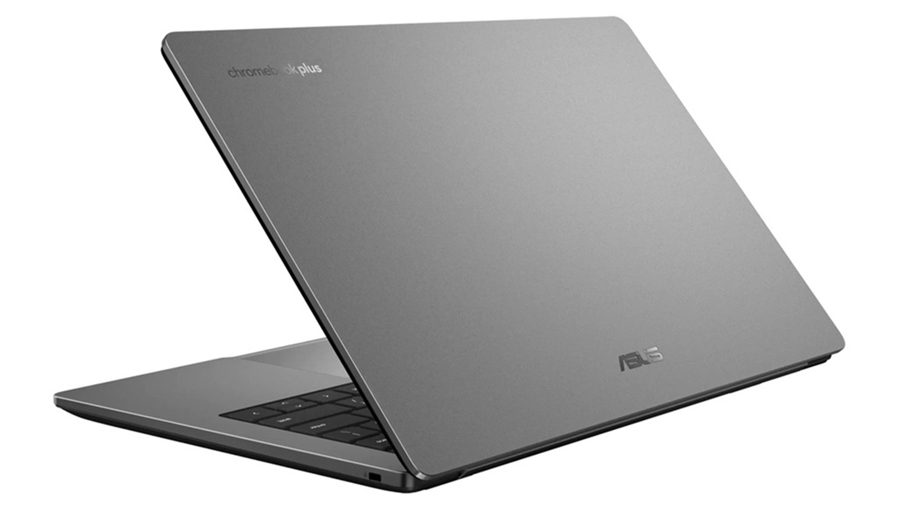
The RAM shortage has dealt a heavy blow to the Chromebook market in the second quarter of 2026. Omdia analysts recorded a sales decline at four of the five largest manufacturers, with ASUS being the sole exception after boosting shipments by 66%.
The segment was hit hardest by rising memory prices, which account for a significant share of the cost of budget laptops. Vendors are also deprioritizing this category due to thin margins, further compounding the problem.
Lenovo retained its lead with 1.76 million units shipped, down 3% year over year. The decline is attributed to the completion of the first phase of Japan's GIGA 2.0 education program, which provided personal laptops to schoolchildren. Acer moved up to second place with 1.18 million units, though it still lost 4% of sales, holding ground thanks to the North American market. HP dropped to third with 1.15 million units (-13%) due to weak institutional demand from the education sector.
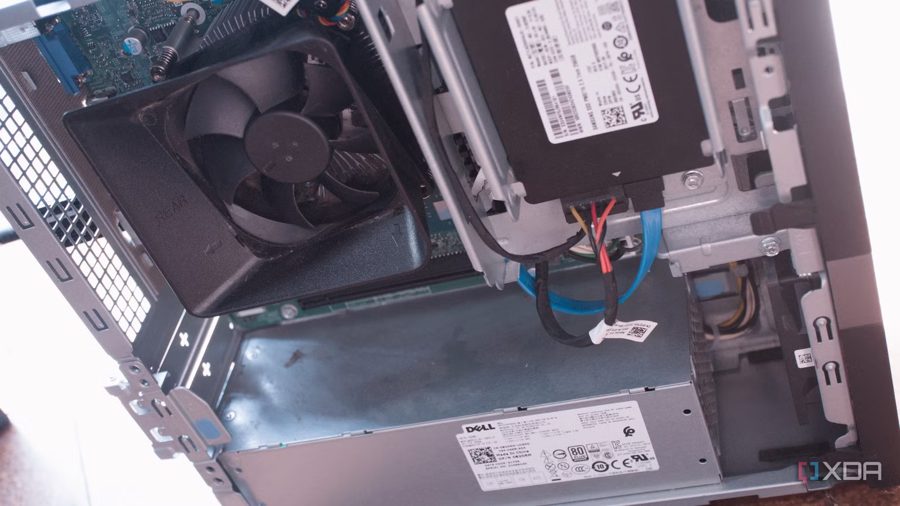
ASUS posted the strongest performance: growth of 66% to 749,000 units lifted its share from 8% to 16%. The success was driven by shipments for GIGA 2.0 projects and fleet upgrades in US schools. Dell, meanwhile, suffered the steepest decline among the leaders — a 47% drop to 465,000 Chromebooks.
Notably, Lenovo, which tops the Chromebook ranking, was also the only vendor in the top five to grow tablet sales. However, the first Googlebook models are expected to arrive in fall 2026, replacing Chromebooks with deeper integration of the Gemini AI assistant, which could drastically reshape the competitive landscape in this segment.