U.S. Activist Faces Felony for Using Duress Password to Wipe Phone at Border
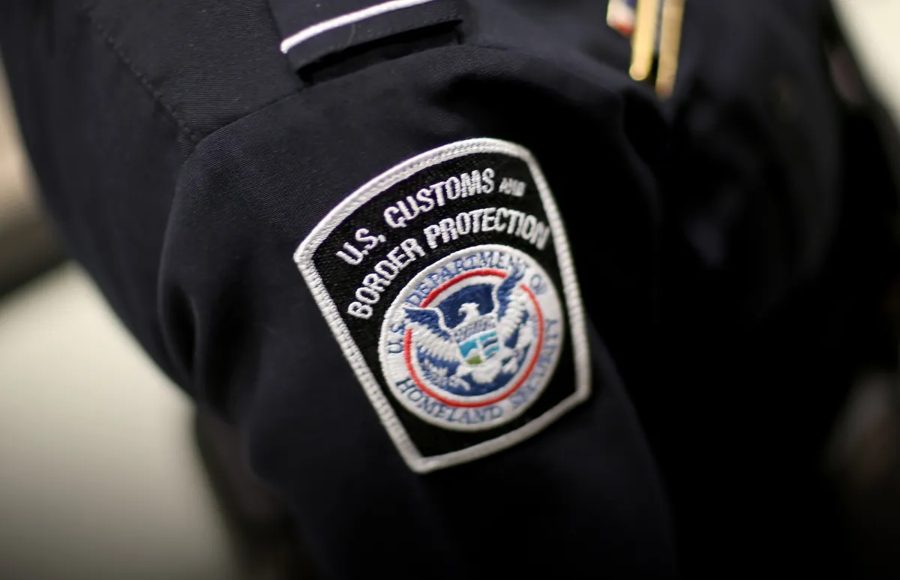
Federal prosecutors have charged activist Samuel Tunick with obstruction after he used a "duress password" during a U.S. Customs and Border Protection (CBP) search, which triggered a full wipe of his Pixel smartphone running the GrapheneOS operating system. According to The New York Times, this is one of the earliest known cases where federal authorities have charged someone with destroying evidence using a program designed to erase a device upon entering a specific code.
Theodore Hertzberg, the U.S. Attorney for the Northern District of Georgia, stated that obstructing federal law enforcement is a serious matter with serious repercussions. He emphasized that individuals who destroy or attempt to destroy property, including data, to prevent lawful search and seizure should expect to face prosecution and punishment for their actions.
A CBP spokesperson confirmed that the agency has the authority to search the electronic devices of anyone entering or leaving the United States, regardless of citizenship, to enforce laws related to terrorism, child exploitation, drug and human smuggling, visa fraud, and national security threats. The spokesperson added that a border search only includes an examination of information present on the device at the time it is presented for inspection. In the last fiscal year, CBP searched the electronic devices of fewer than 0.01 percent of all arriving international travelers. The case highlights the growing tension between digital privacy rights and border security measures, as the government's ability to inspect personal data at ports of entry continues to face legal and technological challenges.