The 555 timer chip can fix a cheap ham radio: build a BFO for SSB and CW reception
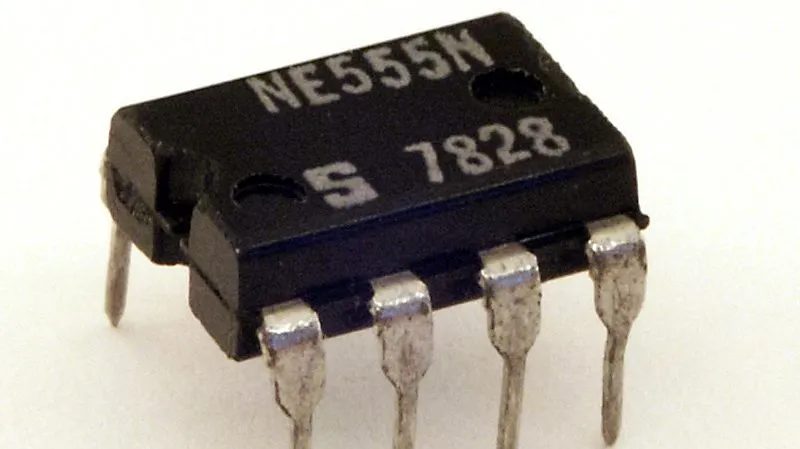
Owners of budget ham radios often face a limitation: out of the box, these rigs cannot receive transmissions that rely on a suppressed carrier wave, such as single sideband (SSB) and continuous-wave (CW) modes. The missing piece is a beat frequency oscillator (BFO), and a simple, time-tested solution uses the ubiquitous 555 timer IC.
The build described in the source uses a 555 timer IC paired with a handful of resistors and capacitors to produce a 455 kHz beat frequency oscillator signal. This signal is injected into the intermediate frequency (IF) chain of the receiver, effectively providing the steady carrier wave that is absent in SSB and CW transmissions. Without a BFO, these signals would be unintelligible—the operator would hear only a hiss or a thumping sound instead of speech or Morse code. The circuit includes a potentiometer, making the oscillator tunable from 455 kHz, plus or minus about twenty percent. This tuning range allows the operator to adjust the pitch of the received audio to a comfortable listening level.
One of the key advantages of the 555 timer is its wide operating voltage range, from 4.5 volts to 16 volts. This flexibility means the BFO can be powered directly from the existing power supply of almost any vintage or budget radio, without needing a separate regulated power source. The source also notes that EDN previously covered an alternative design in greater detail, offering another path for those interested in the modification.
For ham radio enthusiasts who want to unlock a wider range of transmissions—including voice contacts on SSB and the classic dots and dashes of CW—this old-school hack is a practical and inexpensive upgrade. The source encourages readers to share their own fresh ham radio projects on the tipsline, as the community continues to find creative uses for classic components like the 555 timer.