Subaru spends nearly $10,000 to sell each electric SUV in the US — profit drops 44%
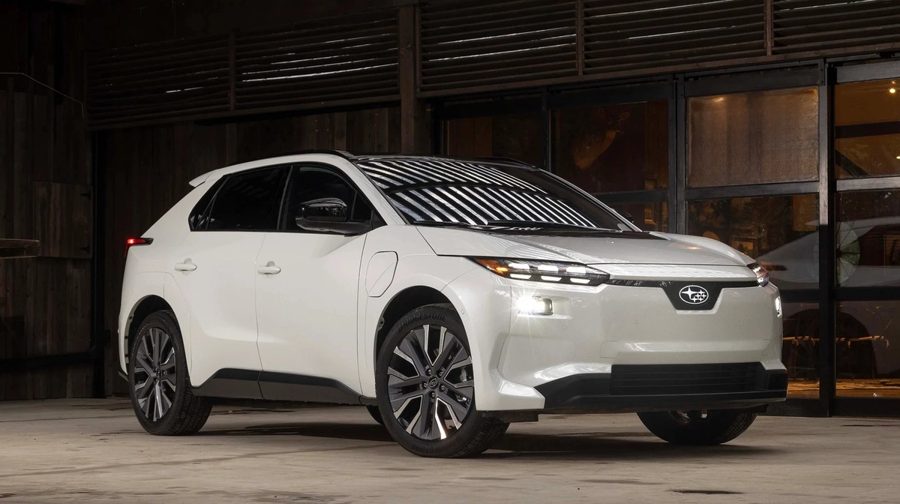
Japanese automaker Subaru is facing a sharp profit decline due to an aggressive electric vehicle push in the American market. From April to June, operating profit fell 44% to ¥42.6 billion (about $270 million). The key factor was a surge in spending on discounts and marketing incentives, which cut profit by ¥24.9 billion (roughly $155 million).
According to Motor Intelligence, Subaru's average sales incentive per vehicle rose 40% year-over-year to $2,698. By comparison, the overall US market saw only a 4.4% increase in incentive spending. Electric crossovers are the costliest to move: each Solterra sold carries an average of $9,650 in incentives, the Uncharted model $9,155, and the Trailseeker $8,982. For reference, incentives on the popular Outback are just $3,036.
Despite the high costs, Subaru's EV sales in the US are growing. From January through July, the company sold 11,638 electric vehicles. Of those, 5,275 were Solterra units, down 34% from a year earlier. The new Uncharted model moved 2,850 units, while the larger Trailseeker sold 3,513. Combined, these figures exceeded last year's results.
Subaru's electric SUVs are built in collaboration with Toyota on the e-TNGA platform. Toyota sells its own versions under the names bZ, C-HR, and bZ Woodland. Unlike Subaru, the Japanese partner managed to cut average incentive spending for the bZ model by 7.6% to $8,588 per vehicle. This has driven more sustainable sales momentum: in the first half of the year, the Toyota bZ became the fourth most popular EV in the US, with sales up 90% year-over-year.