Stereo Camera for Bee Photography: Syncing Two Global Shutter Sensors Mid-Flight
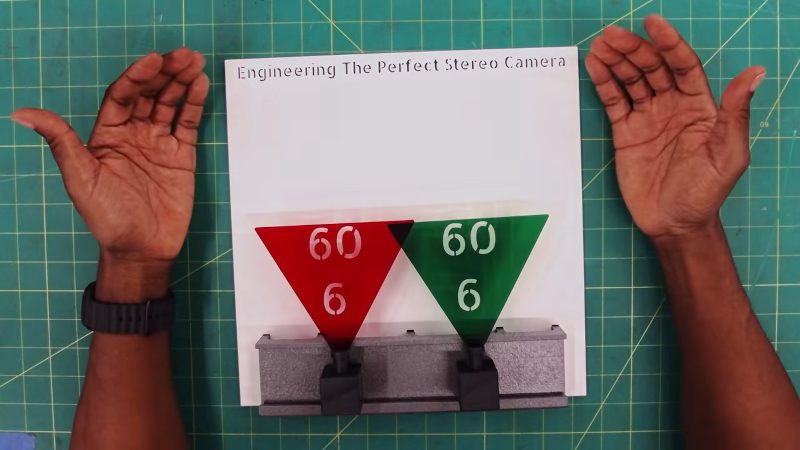
An enthusiast named Jeremy set out to capture bees in flight and hit an unexpected snag: the task seems simple until you actually try it. The mechanical rig that moves the camera at insect speed is already done, but the real challenge is aiming the optics at the target. After weighing many options, he settled on a stereo camera, though its design introduced fresh technical hurdles.
The core issue is bee speed: at such dynamics, USB transmission delays become critical. Jeremy walks through the trade-offs between frame rate, resolution, focal length, and other optical factors. He paid special attention to choosing a global shutter sensor, which captures all pixels at once. Conventional rolling shutter sensors scan row by row, producing the well-known "jello effect" and adding uncertainty about the exact shutter moment.
With two synchronized cameras, every complication doubles. Tracking a tiny, fast-moving object demands flawless coordination between units. In the published video, Jeremy shares his progress, but finished bee footage isn't there yet — he's confident he'll get there soon. High-performance stereo systems have appeared before, and while global shutter cameras aren't mainstream, they're no longer exotic either.