Smart home without the cloud: ditching Echo and Hue simplified automation
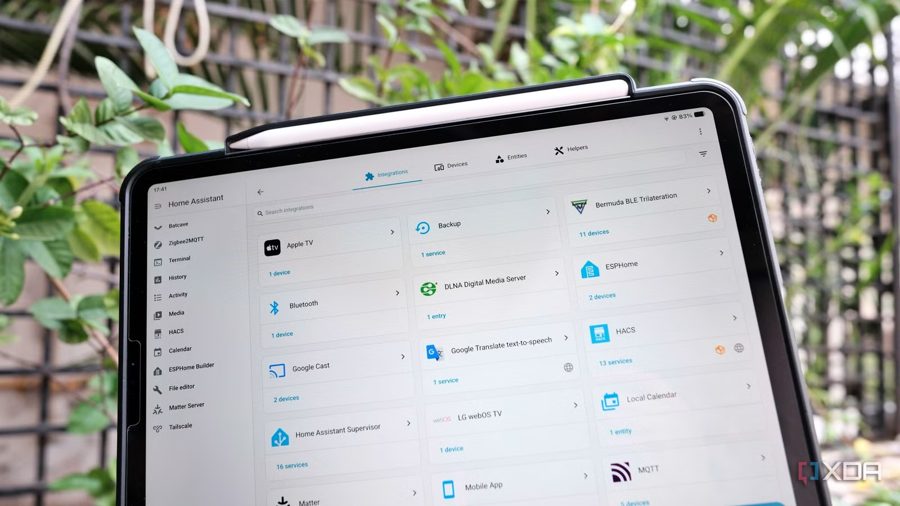
The author spent several months testing smart home devices and concluded that cloud dependency creates more friction than convenience. The most annoying gadgets were the ones that felt the smartest at purchase: they added complexity during setup and daily use. Eventually, he moved to the local-first Home Assistant platform and dropped some devices entirely.
His setup included two smart speakers—the Amazon Echo Plus and Apple HomePod. Voice control only worked with specific phrasing, which felt robotic. Most automations boiled down to timers or direct commands through the microphone, and constant listening raised concerns: every conversation could be logged on company servers. After removing the speakers, the author built his own voice assistant using a local language model running on a Home Assistant-powered home server. All commands stay within the home network, while daily tasks like lights and AC run on motion-based routines without any commands. Voice is used only where a switch doesn't fit, such as saying "good night" from bed.
Lighting started with Philips Hue bulbs that required a proprietary hub. Borrowing a friend's hub, he found it incompatible with bulbs from other brands, forcing him to juggle two separate automation apps with no way to link them. The fix was replacing the hub with a USB-based Zigbee coordinator dongle plugged into the home server. This adapter works with devices from multiple manufacturers and manages them through a single interface.