SiYuan in Docker replaced Notion, Evernote, and Anki: self-hosted notes without subscription, with flashcards
A single open-source Docker container replaced three paid services for notes and memorization — Notion, Evernote, and Anki — for the author of this story. The tool is SiYuan, a self-hosted knowledge management app that runs locally and requires neither an account nor a monthly fee.
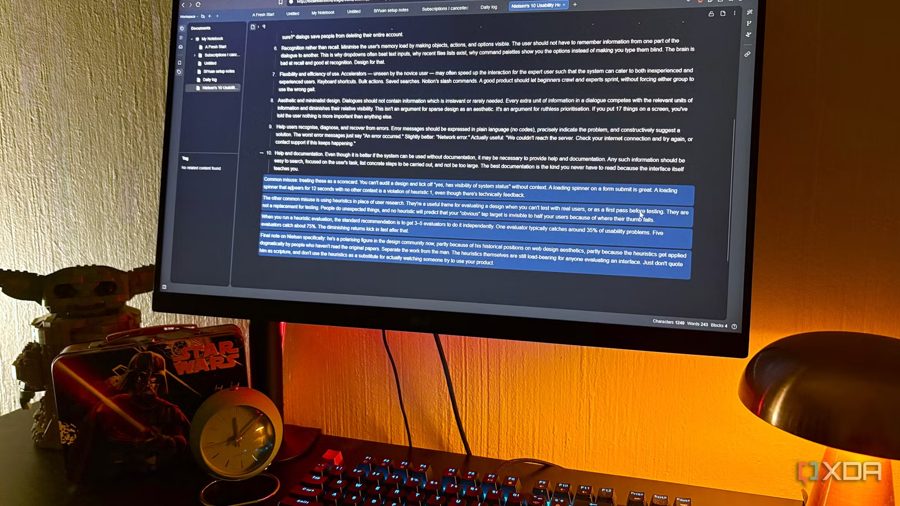
Setup took about five minutes: after pulling the image, the tool opened in the browser at localhost. For those who want to skip containers, a desktop version is also available. The main selling point is a block-based editor similar to Notion: it includes a slash menu with headings, templates, embeds, databases, and even an AI assistant.
A key feature is that every block gets a permanent ID. This lets you link to a specific paragraph in one document from another, and those links survive even after restructuring notes. Notion's synced blocks are tied to page structure, so major reorganizations often break connections that must be manually re-linked.
The author keeps a daily journal of tasks and uses bidirectional links between documents — they work locally, without a sync subscription. A global graph view shows how all notes are connected, similar to Obsidian's Graph view. Since everything is hosted on a personal PC, data never leaves the container unless manually exported, for example to Markdown.
An unexpected bonus was a built-in spaced repetition system. In the block menu on a heading, the "Flashcard" option turned out to convert notes into memory cards. This covers the need for Anki — a separate app that usually costs money or requires setup. SiYuan has a paid tier, but it only covers cloud sync, which is unnecessary when self-hosting.