Self-hosting a password manager was simpler than expected — Vaultwarden changed my mind
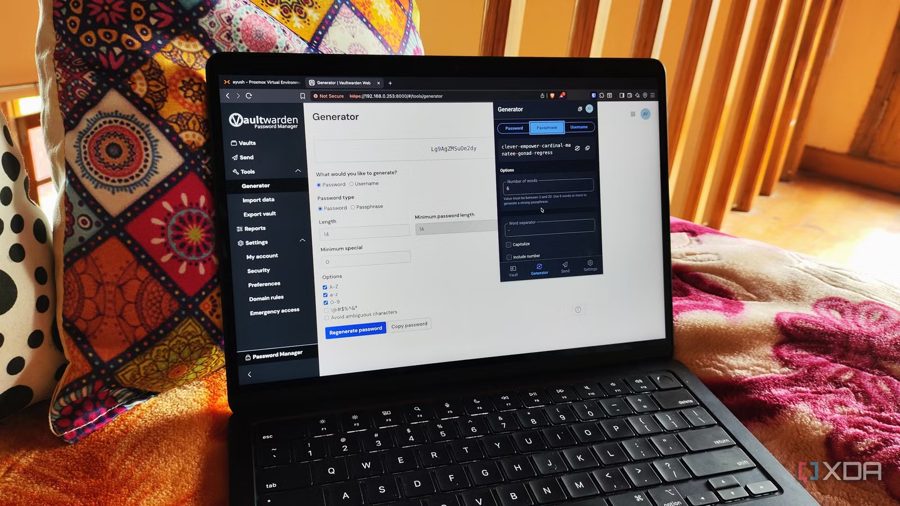
The author of the piece has been gradually shifting his workflow, replacing long-used tools with simpler, self-hosted alternatives. He enjoys experimenting with open-source software because it gives him more control and often fits better into his daily routines. However, one change kept getting postponed: hosting his own password manager. He had thought about it several times but always found reasons to stick with the old setup. Recently, he finally decided to stop procrastinating and make the switch, and it turned out to be one of those changes that makes the workflow feel simpler almost immediately.
For a long time, the author treated password managers differently from other self-hosted services. He had looked at a few options over the years, but never seriously considered moving. He simply preferred leaving this particular tool alone rather than adding another service to manage. That stance changed recently when he decided to revisit his old assumption and see whether he still wanted to avoid self-hosting a password manager.
What changed his mind was Vaultwarden. He had seen it before but never took the time to try it. This time, he gave it a proper shot and found that the setup was surprisingly straightforward. He already uses Docker for several self-hosted services, so deploying Vaultwarden didn't require learning new tools. The installation went smoothly, and the interface was intuitive. After getting it running, he migrated his passwords and was pleased with the outcome.
The experience made him reconsider his earlier reluctance. He had assumed that self-hosting a password manager would add unnecessary complexity, but Vaultwarden, being a lightweight alternative to Bitwarden, proved otherwise. The author now feels that even a sensitive tool like a password manager can be run without hassle, offering greater control over personal data. He regrets not making the switch sooner, as the change immediately streamlined his workflow and reduced reliance on third-party services.