Russia fits BM-35 drones with jet engines to outrun Ukrainian interceptors
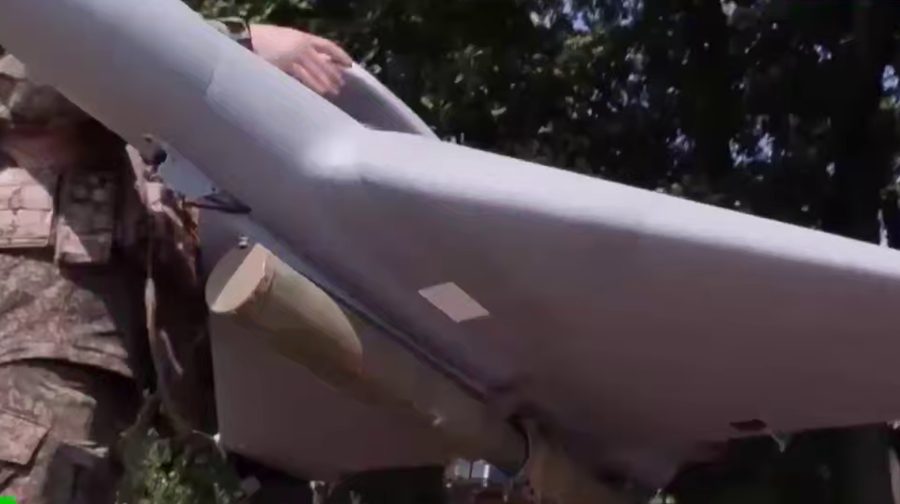
Russian forces have begun equipping BM-35 strike drones with jet engines in an effort to counter Ukrainian interceptor drones, according to Serhiy Beskrestnov, an adviser to the Ukrainian president on defense technology development, known by the call sign "Flash."
Speaking about the modification, Beskrestnov said the enemy is replacing engines with jet propulsion not only on Shahed drones but also on budget "mid-strike" UAVs. He also shared a report from Russian sources that showcased the jet-powered version of the BM-35 and detailed its claimed specifications.
According to the Russian footage, the jet-powered BM-35 can reach speeds exceeding 350 km/h, has a flight range of over 200 km, and carries a warhead weighing 10 kg. The Russian military claims the increased speed is intended to make the drone harder to intercept by Ukrainian FPV interceptor drones. The report also states that the operator can control the BM-35 at any point along its flight trajectory in FPV mode, and that electronic warfare systems allegedly do not affect its operation.
The preparation of drone components reportedly takes place at a warehouse. At the frontline positions, troops assemble the units, install the warhead, and launch the drone. Up to three such UAVs can be launched at a time.
The BM-35 is a Russian fixed-wing strike drone. According to Ukraine's military intelligence (HUR), earlier versions of the aircraft were powered by a two-stroke gasoline engine of Chinese origin. This is not the first upgrade to the BM-35: Russian forces previously modified the drone to enable control via Starlink satellite internet. In January, Beskrestnov reported the first documented case of such a modification, before Ukraine introduced joint countermeasures.