Robot vacuums in 2026: suction power hits 30 kPa, but efficiency is about more than just specs
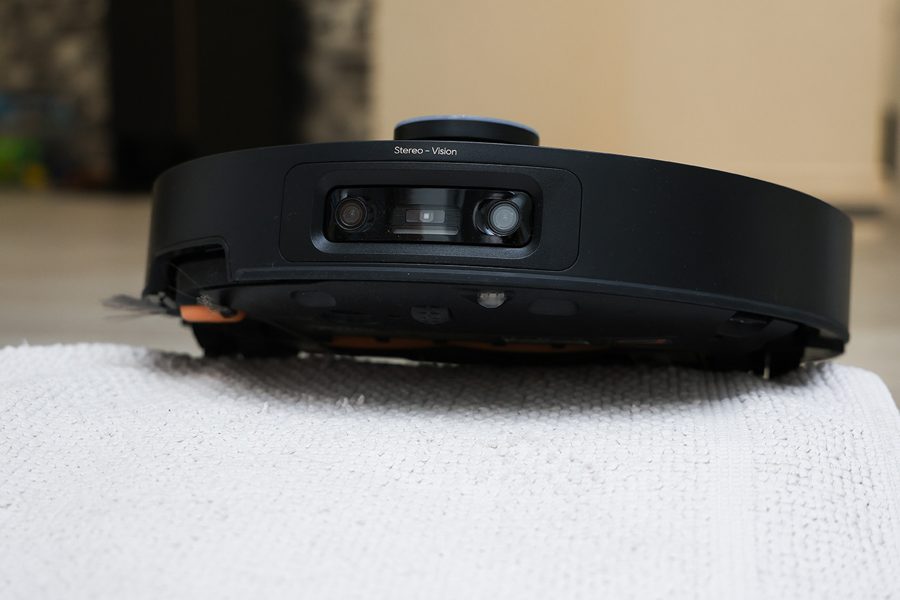
In just a few years, robot vacuums have evolved from an expensive novelty into an indispensable household helper. Today's devices go far beyond simple dust collection: they can mop floors, empty their own dustbins, wash mop pads, and navigate rooms using lasers and artificial intelligence. The market now offers a vast range of options, from basic budget models to premium flagships equipped with multifunctional docking stations and advanced AI.
Manufacturers have entered a race for raw power, rapidly increasing suction ratings with each generation. Not long ago, 6,000 Pa was considered a strong figure, but now even mid-range models boast twice that number. Flagship robots in 2026 routinely reach 30 kPa or more. However, real-world experience shows that raw suction is not the only factor that determines cleaning quality.
Modern robot vacuums have taught users that effective cleaning depends on a combination of features: navigation accuracy, AI-driven algorithms, brush design, and filtration efficiency. Paying extra for maximum suction power is not always justified — what truly matters is a balanced set of specifications that work together seamlessly. As the market matures, consumers are increasingly looking for devices that offer intelligent path planning, reliable obstacle avoidance, and convenient self-maintenance features rather than just headline-grabbing power numbers.