OpenAI's Computer History logs every click and keystroke on macOS — and it's not encrypted
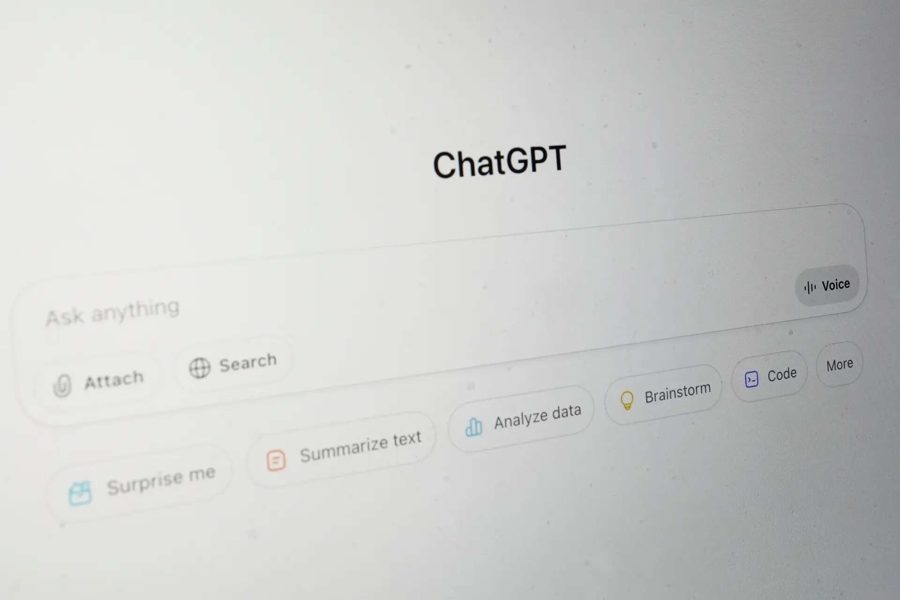
OpenAI has introduced Computer History, a new feature for ChatGPT that records user interactions with applications and websites on a computer. The system captures clicks, text input, keyboard shortcuts, app switches, and screen content, then organizes this data into a timeline. The company claims the tool is designed to improve ChatGPT's responses, enable automation of repetitive tasks, and make it easier for users to resume previous work.
Computer History replaces Chronicle, an earlier feature that relied on periodic screenshots to track user activity. OpenAI describes the new approach as less intrusive because it logs input events rather than capturing full-screen images. However, the collected data is stored locally in plain text without encryption for up to 48 hours, after which it may be sent to OpenAI's servers for processing. The company's documentation explicitly warns that Computer History files can contain sensitive information and are accessible to other programs running under the same macOS user account.
The feature is opt-in — users must manually enable it in ChatGPT's settings. Despite OpenAI's framing, security researchers and privacy advocates have described Computer History as a keylogging and event capture system. It records every keystroke and mouse click, which makes it a potential target for attackers. Malicious actors could extract passwords, credit card numbers, or other confidential data from the unencrypted log files. Moreover, the system increases the risk of prompt injection attacks, where an attacker manipulates the input stream to alter ChatGPT's behavior or extract private information from the model.
Using Computer History also consumes additional ChatGPT tokens, as the recorded interaction streams are sent to the AI model for analysis and context generation. This means heavier users may see increased costs or faster depletion of their token quotas.
Currently, Computer History is available only on macOS. OpenAI has not announced plans to bring the feature to Windows, Linux, or mobile platforms. The company emphasizes that users can review and delete their history at any time, but the lack of encryption and the potential for third-party access remain significant concerns for those handling sensitive data.