NASA abandons Swift telescope rescue mission — it will burn up in the atmosphere by October
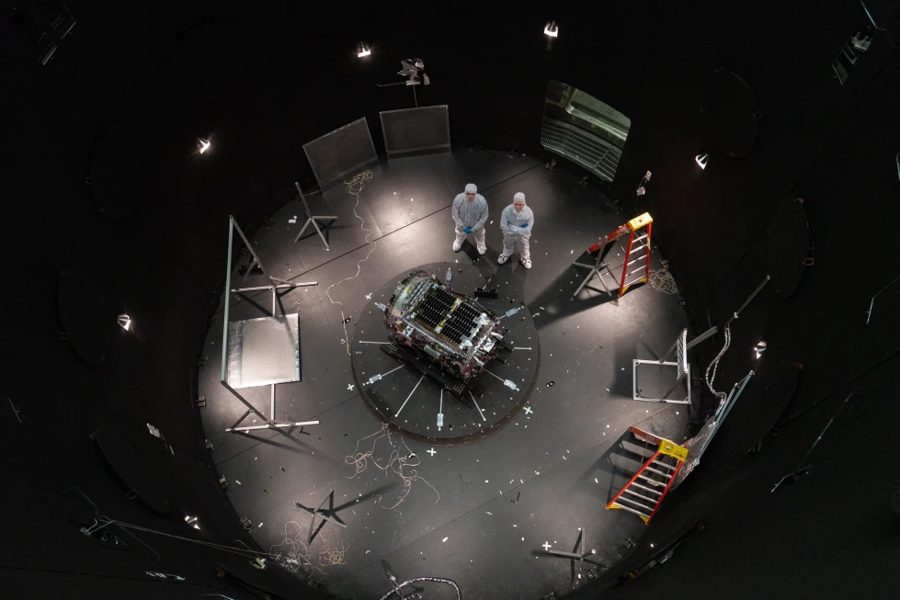
NASA has canceled the rescue mission for the aging Swift space observatory, leaving the telescope to fall back to Earth and burn up in the atmosphere later this year.
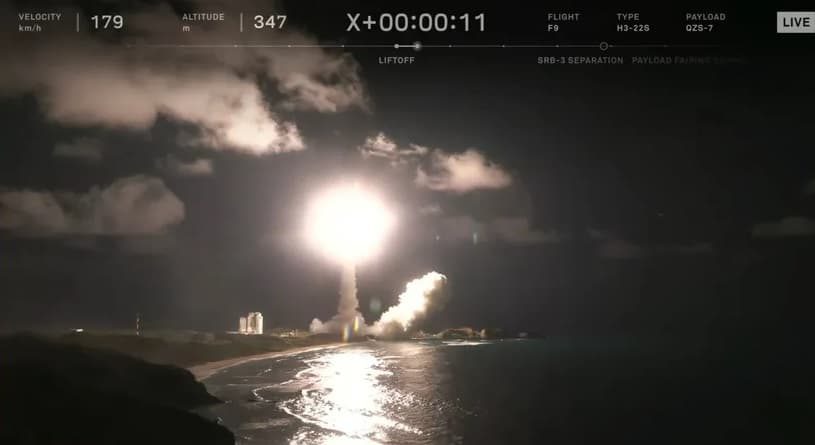
The decision was announced jointly by NASA and startup Katalyst Space Technologies, just a month after the company's spacecraft, named Link, was launched to save the telescope. NASA had paid Katalyst 30 million dollars to attempt raising Swift to a higher and safer orbit, as the satellite was losing altitude faster than expected due to intense solar activity.
However, the rescue mission went wrong a few weeks after Link's launch in early July. The spacecraft entered an uncontrolled spin. Although flight controllers managed to slow down the rotation, persistent problems with its attitude control and navigation systems made it impossible to proceed with the rendezvous and capture of Swift.
According to Katalyst, Link will not attempt to grab the telescope and boost it to a higher orbit. As a result, NASA has confirmed that the observatory will re-enter the atmosphere after more than 20 years of operation. The agency expects the telescope to burn up no earlier than October this year.
Swift has been one of NASA's most prolific astrophysics missions, observing some of the most powerful explosions in the universe, including gamma-ray bursts and supernovae. Its fiery demise will mark the end of a long and productive scientific career, having provided crucial data on the most violent events in the cosmos.