Moscow to test robot dogs for patrolling infrastructure: trials set for late August
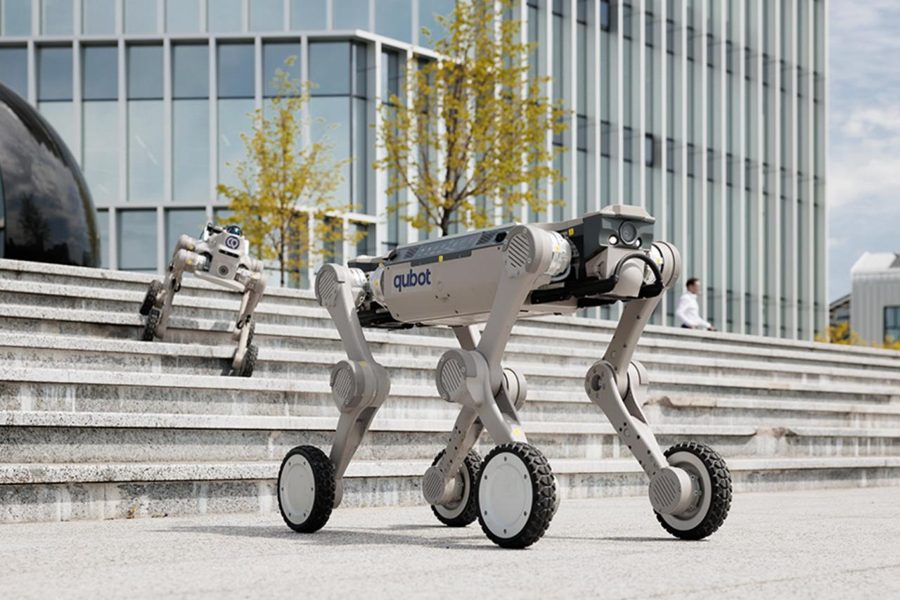
Moscow will host demonstration trials of a robot dog control system designed for autonomous monitoring of large urban infrastructure facilities. The tests are scheduled for late August at the Lomonosov cluster, according to the city's Department of Entrepreneurship and Innovative Development.
The system was developed by Q Group, a Russian company. It has already undergone testing at the Robot Testing Center of the Moscow Innovation Cluster in Skolkovo, followed by a pilot run at the Russian Presidential Academy of National Economy and Public Administration (RANEPA).
The robot dogs are intended to patrol warehouses, construction sites, parking lots and other areas, detecting irregular situations. Their tasks include identifying people in restricted zones, recording acts of vandalism, spotting graffiti, smoking, parking violations and breaches of safety regulations.
The platform enables simultaneous control of multiple robot dogs. An operator sets a route and marks checkpoints on a digital map. Once the mission is configured, the robots operate autonomously: they patrol the area, navigate around obstacles and analyze their surroundings using artificial intelligence and computer vision. Information about any detected incident is relayed to the operator in real time, complete with photo and video evidence.
The robots are also capable of interacting with people while on patrol. If a person is detected in a restricted zone, the robot approaches them and either delivers a voice warning or automatically connects them with the operator via two-way audio communication, the department said.
The upcoming demonstration at the Lomonosov cluster will showcase the system's capabilities to potential customers and partners. The technology is positioned as a solution for improving security and operational efficiency at distributed facilities, reducing the need for constant human patrols while providing more consistent coverage.
The developers highlight the combination of autonomous navigation, real-time analytics and remote operator oversight as the key advantage of the system. The trials will allow interested parties to evaluate how the robot dogs perform in conditions close to real-world deployment.